Product Description
Model Number: ISO219-40-150
valve:QF-2C
Material: Steel 37Mn
new seamless steel gas cylinder for N2,O2
Industrial nitrogen Gas
Pressure: High
Place of Origin: China (Mainland)
Brand Name: DSW
Thickness of seamless:5.7mm
weight of seamless: 47to 50kg
working pressure:150bar
test pressure: 250bar
TP:250KG/CM2
PW:150KG/CM2
| 40L and 50L medical oxygen cylinders |
|||||||
| Type | (mm) Outside Diameter |
(L) Water Capacity |
(mm)
Height |
(Kg) Weight(Without valve,cap) |
(Mpa) Working Pressure |
(mm) Design Wall Thickness |
Material Grades |
| ISO232-40-150 | 219 | 40 | 1167 | 43 | 200 | 5.2 | 37Mn |
| ISO232-47-150 | 47 | 1351 | 49 | ||||
| ISO232-50-150 | 50 | 1430 | 51.6 | ||||
| ISO232-40-200 | 232 | 40 | 1156 | 44.9 | 200 | 5.2 | 34CrMo4 |
| ISO232-46.7-200 | 46.7 | 1333 | 51 | ||||
| ISO232-47-200 | 47 | 1341 | 51.3 | ||||
| ISO232-50-200 | 50 | 1420 | 54 | ||||
| EN232-40-210 | 232(TPED) | 40 | 1156 | 44.9 | 230 | 5.8 | 34CrMo4 |
| EN232-46.7-210 | 46.7 | 1333 | 51 | ||||
| EN232-47-210 | 47 | 1341 | 51.3 | ||||
| EN232-50-210 | 50 | 1420 | 54 | ||||
| EN232-40-230 | 40 | 1156 | 44.9 | 230 | 5.8 | 34CrMo4 | |
| EN232-46.7-230 | 46.7 | 1333 | 51 | ||||
| ISO232-47-230 | 47 | 1341 | 51.3 | ||||
| ISO232-50-230 | 50 | 1420 | 54 | ||||
| ISO267-40-150 | 267 | 40 | 922 | 43.3 | 150 | 5.8 | 37Mn |
| ISO267-50-150 | 50 | 1119 | 51.3 | ||||
100% new high quality seamless steel pipe from Bao Shan Iron co.,ltd (Baosteel).
Total 5 working line make 3000pcs per day for oxygen gas cylinder, argon gas cylinder, helium gas cylinder, Nitrogen gas cylinder , Co2 gas cylinder, N2O gas cylinder..etc
China top 1 advanced heat treatment machine. And China top 1 internal polishing machine to make high purity gas cylinder with 99.999% oxygen gas, helium gas, N2O gas and argon gas.
100% Hydrostatic prssure test and leakage test to keep the quality
Advanced automatic spraying working line make the spraying at high top quality , no any bubble , without shrinkage and distoration .
Japan imported shoulder marking machine make it the most qualified ones .
DSW seamless gas cylinder have nice appearance shoulders because we use shape-correction machine treatment make the cylinder shoulder most beautiful shape which other supplier can’t be compared.
Laboratory test standard ISO9809-3 and ISO9809-1, DOT-3AA, EN1964,GB5099 ..etc
Specification
| RECORD OF HYDROSTATIC TESTS ON CYLINDERS TIME ≥ 60S |
||||||||
| S.N | Serial No. | The weight without valve&cap(kg) | Volumetric Capacity(L) | Total expansion(ml) | Permanent expansion(ml) | Percent of Permanent to totalexpanison(%) | Test Pressure 250Bar | Lot and Batch No. |
| 401 | 2070968 057 | 48.6 | 40.0 | 200.3 | 2.6 | 1.3 | 250 | 2070968 |
| 402 | 2070968 058 | 48.3 | 40.0 | 204.2 | 2.3 | 1.1 | 250 | 2070968 |
| 403 | 2070968 059 | 48.2 | 40.1 | 205.1 | 2.6 | 1.3 | 250 | 2070968 |
| 404 | 2070968 060 | 48.5 | 40.1 | 195.2 | 2.6 | 1.3 | 250 | 2070968 |
| 405 | 2070968 061 | 48.2 | 40.1 | 205.1 | 2.7 | 1.3 | 250 | 2070968 |
| 406 | 2070968 062 | 48.6 | 40.0 | 206.2 | 2.2 | 1.1 | 250 | 2070968 |
| 407 | 2070968 063 | 48.3 | 40.3 | 193.9 | 2.2 | 1.1 | 250 | 2070968 |
| 408 | 2070968 064 | 48.0 | 40.1 | 200.1 | 2.9 | 1.4 | 250 | 2070968 |
| 409 | 2070968 065 | 48.4 | 40.0 | 205.2 | 2.9 | 1.4 | 250 | 2070968 |
| 410 | 2070968 066 | 47.9 | 40.1 | 200.1 | 2.6 | 1.3 | 250 | 2070968 |
| 411 | 2070968 067 | 47.9 | 40.2 | 201.0 | 2.2 | 1.1 | 250 | 2070968 |
| 412 | 2070968 068 | 48.7 | 40.0 | 200.3 | 3.0 | 1.5 | 250 | 2070968 |
| 413 | 2070968 069 | 48.3 | 40.2 | 201.0 | 2.8 | 1.4 | 250 | 2070968 |
| 414 | 2070968 070 | 48.2 | 40.1 | 197.2 | 2.5 | 1.3 | 250 | 2070968 |
| 415 | 2070968 071 | 47.9 | 40.0 | 206.2 | 2.6 | 1.3 | 250 | 2070968 |
| 416 | 2070968 072 | 48.5 | 40.4 | 193.8 | 3.0 | 1.5 | 250 | 2070968 |
| 417 | 2070968 073 | 49.0 | 40.0 | 201.3 | 3.0 | 1.5 | 250 | 2070968 |
| 418 | 2070968 074 | 49.2 | 40.1 | 201.1 | 2.3 | 1.1 | 250 | 2070968 |
| 419 | 2070968 075 | 48.3 | 40.2 | 196.0 | 2.3 | 1.2 | 250 | 2070968 |
| 420 | 2070968 076 | 47.7 | 40.2 | 198.0 | 2.3 | 1.2 | 250 | 2070968 |
| 421 | 2070968 077 | 48.2 | 40.2 | 198.0 | 2.3 | 1.2 | 250 | 2070968 |
| 422 | 2070968 078 | 48.5 | 40.3 | 201.8 | 2.3 | 1.1 | 250 | 2070968 |
| 423 | 2070968 079 | 49.2 | 40.1 | 194.2 | 2.7 | 1.4 | 250 | 2070968 |
| 424 | 2070968 080 | 48.5 | 40.4 | 200.7 | 3.0 | 1.5 | 250 | 2070968 |
| 425 | 2070968 081 | 48.2 | 40.1 | 197.2 | 2.3 | 1.2 | 250 | 2070968 |
| 426 | 2070968 082 | 48.3 | 40.0 | 200.3 | 2.7 | 1.3 | 250 | 2070968 |
| 427 | 2070968 083 | 48.5 | 40.3 | 197.9 | 3.0 | 1.5 | 250 | 2070968 |
| 428 | 2070968 084 | 48.3 | 40.1 | 200.1 | 2.3 | 1.1 | 250 | 2070968 |
| 429 | 2070968 085 | 48.6 | 40.1 | 194.2 | 2.3 | 1.2 | 250 | 2070968 |
| 430 | 2070968 086 | 48.5 | 40.1 | 199.1 | 2.6 | 1.3 | 250 | 2070968 |
| 431 | 2070968 087 | 48.4 | 40.1 | 199.1 | 2.9 | 1.5 | 250 | 2070968 |
| 432 | 2070968 088 | 48.1 | 40.2 | 203.9 | 2.3 | 1.1 | 250 | 2070968 |
| 433 | 2070968 089 | 48.6 | 40.2 | 198.0 | 3.0 | 1.5 | 250 | 2070968 |
| 434 | 2070968 090 | 48.0 | 40.2 | 201.0 | 2.5 | 1.2 | 250 | 2070968 |
| 435 | 2070968 091 | 49.6 | 40.0 | 206.2 | 3.0 | 1.5 | 250 | 2070968 |
| 436 | 2070968 092 | 48.5 | 40.1 | 197.2 | 2.3 | 1.2 | 250 | 2070968 |
| 437 | 2070968 093 | 48.1 | 40.1 | 197.2 | 2.3 | 1.2 | 250 | 2070968 |
| 438 | 2070968 094 | 48.0 | 40.1 | 197.2 | 2.2 | 1.1 | 250 | 2070968 |
| 439 | 2070968 095 | 48.1 | 40.1 | 197.2 | 2.9 | 1.5 | 250 | 2070968 |
| 440 | 2070968 096 | 48.3 | 40.1 | 199.1 | 2.3 | 1.2 | 250 | 2070968 |
| 441 | 2070968 097 | 48.1 | 40.2 | 203.0 | 2.4 | 1.2 | 250 | 2070968 |
| 442 | 2070968 098 | 48.6 | 40.1 | 199.1 | 2.6 | 1.3 | 250 | 2070968 |
| 443 | 2070968 099 | 48.5 | 40.2 | 198.0 | 2.3 | 1.2 | 250 | 2070968 |
| 444 | 2070968 100 | 48.4 | 40.1 | 202.1 | 2.4 | 1.2 | 250 | 2070968 |
| 445 | 2070968 101 | 48.7 | 40.0 | 204.2 | 2.3 | 1.1 | 250 | 2070968 |
| 446 | 2070968 102 | 49.2 | 40.0 | 204.2 | 3.0 | 1.5 | 250 | 2070968 |
| 447 | 2070968 103 | 48.1 | 40.2 | 200.0 | 2.6 | 1.3 | 250 | 2070968 |
| 448 | 2070968 104 | 48.0 | 40.1 | 202.1 | 3.0 | 1.5 | 250 | 2070968 |
| 449 | 2070968 105 | 48.3 | 40.1 | 196.2 | 2.4 | 1.2 | 250 | 2070968 |
| 450 | 2070968 106 | 48.8 | 40.0 | 206.2 | 2.2 | 1.1 | 250 | 2070968 |
| Material: | Steel |
|---|---|
| Usage: | Oxygen Gas and Nitrogen Cylinder |
| Structure: | Gas – Liquid Damping Cylinder |
| Power: | Hydraulic |
| Standard: | Standard |
| Pressure Direction: | Single-acting Cylinder |
| Customization: |
Available
|
|
|---|
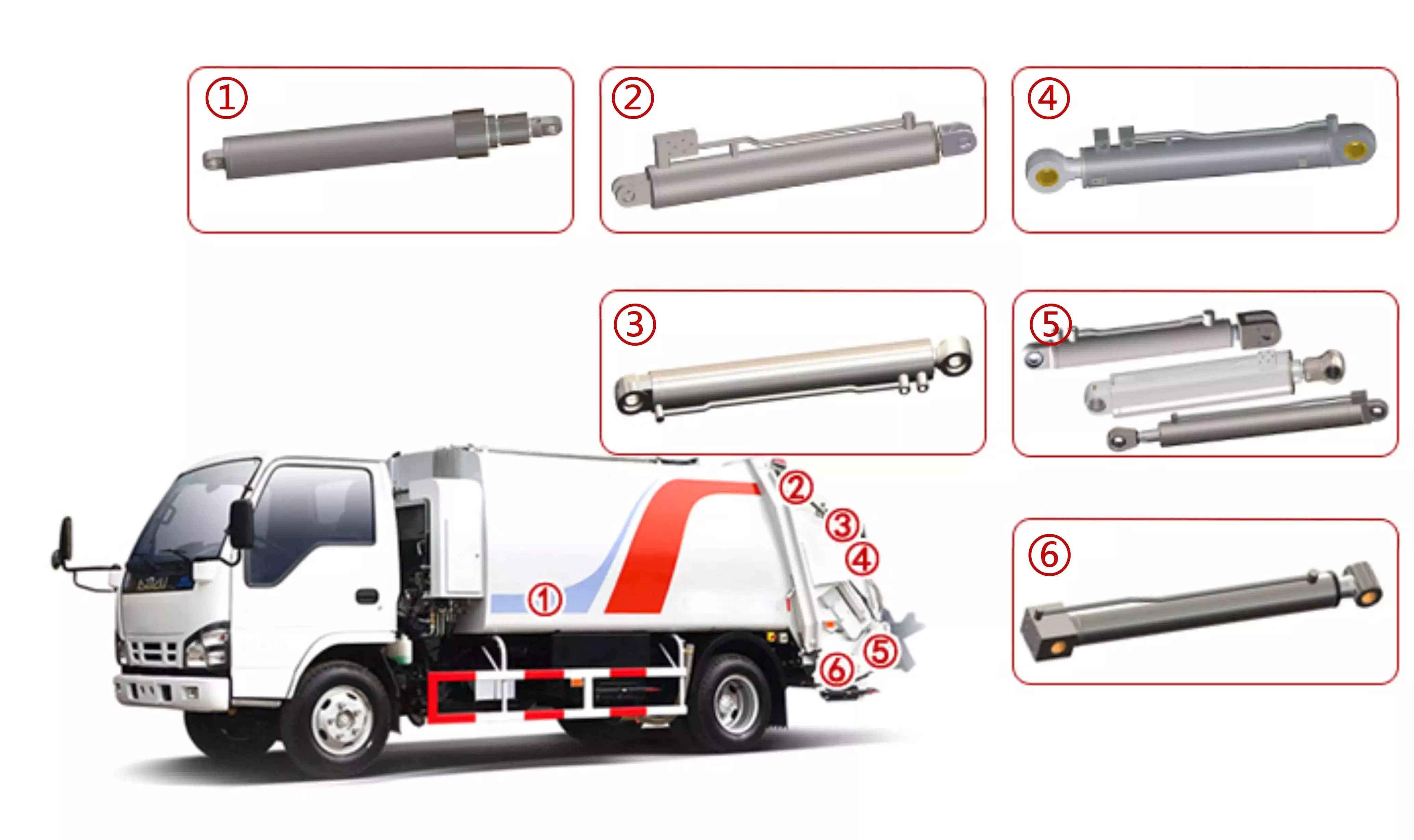
Can hydraulic cylinders be integrated with advanced control systems and automation?
Yes, hydraulic cylinders can be integrated with advanced control systems and automation technologies to enhance their functionality, precision, and overall performance. The integration of hydraulic cylinders with advanced control systems allows for more sophisticated and precise control over their operation, enabling automation and intelligent control. Here’s a detailed explanation of how hydraulic cylinders can be integrated with advanced control systems and automation:
1. Electronic Control:
– Hydraulic cylinders can be equipped with electronic sensors and transducers to provide real-time feedback on their position, force, pressure, or velocity. These sensors can be integrated with advanced control systems, such as programmable logic controllers (PLCs) or distributed control systems (DCS), to monitor and control the operation of hydraulic cylinders. By integrating electronic control, the position, speed, and force of hydraulic cylinders can be precisely monitored and adjusted, allowing for more accurate and automated control.
2. Closed-Loop Control:
– Closed-loop control systems use feedback from sensors to continuously monitor and adjust the operation of hydraulic cylinders. By integrating hydraulic cylinders with closed-loop control systems, precise control over position, velocity, and force can be achieved. Closed-loop control enables the system to automatically compensate for variations, external disturbances, or changes in operating conditions, ensuring accurate and consistent performance. This integration is particularly beneficial in applications that require precise positioning, synchronization, or force control.
3. Proportional and Servo Control:
– Hydraulic cylinders can be integrated with proportional and servo control systems to achieve finer control over their operation. Proportional control systems use proportional valves to regulate the flow and pressure of hydraulic fluid, allowing for precise adjustment of cylinder speed and force. Servo control systems, on the other hand, combine feedback sensors, high-performance valves, and advanced control algorithms to achieve extremely precise control over hydraulic cylinders. Proportional and servo control integration enhances the responsiveness, accuracy, and dynamic performance of hydraulic cylinders.
4. Human-Machine Interface (HMI):
– Hydraulic cylinders integrated with advanced control systems can be operated and monitored through human-machine interface (HMI) devices. HMIs provide a graphical user interface that allows operators to interact with the control system, monitor cylinder performance, and adjust parameters. HMIs enable operators to set desired positions, forces, or velocities, and visualize the real-time feedback from sensors. This integration simplifies the operation and monitoring of hydraulic cylinders, making them more user-friendly and facilitating seamless integration into automated systems.
5. Communication and Networking:
– Hydraulic cylinders can be integrated into communication and networking systems, enabling them to be part of a larger automated system. Integration with industrial communication protocols, such as Ethernet/IP, Profibus, or Modbus, allows for seamless information exchange between the hydraulic cylinders and other system components. This integration enables centralized control, data logging, remote monitoring, and coordination with other automated processes. Communication and networking integration enhance the overall efficiency, coordination, and integration of hydraulic cylinders within complex automation systems.
6. Automation and Sequential Control:
– By integrating hydraulic cylinders with advanced control systems, they can be seamlessly incorporated into automated processes and sequential control operations. The control system can execute predefined sequences or programmed logic to control the operation of hydraulic cylinders based on specific conditions, inputs, or timing. This integration enables the automation of complex tasks, such as material handling, assembly operations, or repetitive motions. Hydraulic cylinders can be synchronized with other actuators, sensors, or devices, allowing for coordinated and automated operation in various industrial applications.
7. Predictive Maintenance and Condition Monitoring:
– Advanced control systems can also enable predictive maintenance and condition monitoring for hydraulic cylinders. By integrating sensors and monitoring capabilities, the control system can continuously monitor the performance, health, and condition of hydraulic cylinders. This integration allows for the detection of abnormalities, wear, or potential failures in real-time. Predictive maintenance strategies can be implemented based on the collected data, optimizing maintenance schedules, reducing downtime, and enhancing the overall reliability of hydraulic systems.
In summary, hydraulic cylinders can be integrated with advanced control systems and automation technologies to enhance their functionality, precision, and performance. The integration allows for electronic control, closed-loop control, proportional and servo control, human-machine interface (HMI) interaction, communication and networking, automation and sequential control, as well as predictive maintenance and condition monitoring. These integrations enable more precise control, automation, improved efficiency, and optimized performance of hydraulic cylinders in various industrial applications.
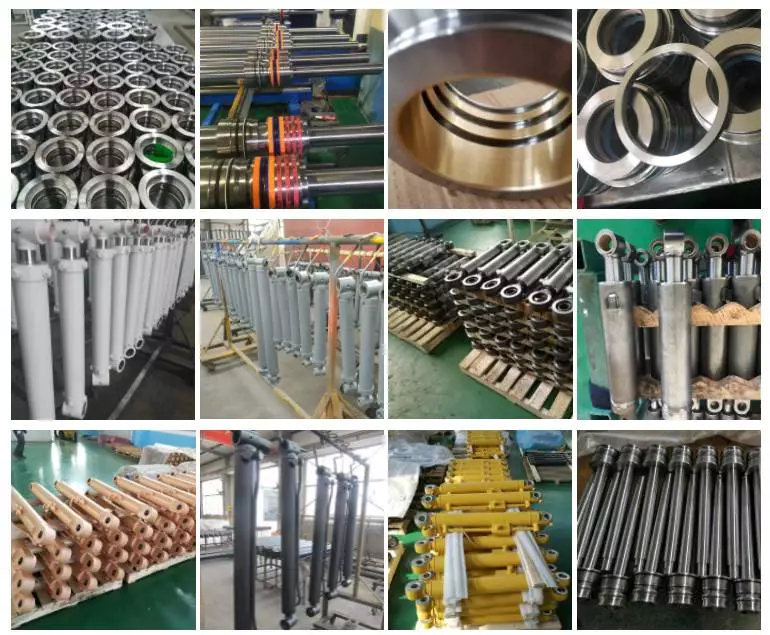
Customization of Hydraulic Cylinders for Marine and Offshore Applications
Yes, hydraulic cylinders can be customized for use in marine and offshore applications. These environments present unique challenges, such as exposure to corrosive saltwater, high humidity, and extreme operating conditions. Customization allows hydraulic cylinders to meet the specific requirements and withstand the harsh conditions encountered in marine and offshore settings. Let’s delve into the details of how hydraulic cylinders can be customized for marine and offshore applications:
- Corrosion Resistance: Marine and offshore environments expose hydraulic cylinders to corrosive elements, such as saltwater. To mitigate corrosion, hydraulic cylinders can be customized with materials and surface treatments that provide enhanced corrosion resistance. For example, cylinders can be constructed from stainless steel or coated with protective layers like chrome plating or specialized coatings to withstand the corrosive effects of saltwater.
- Sealing and Environmental Protection: Hydraulic cylinders for marine and offshore applications require robust sealing systems to prevent water ingress and protect internal components. Customized sealing solutions, such as high-quality seals, wipers, and gaskets, can be employed to ensure effective sealing and resistance to water, debris, and contaminants. Additionally, hydraulic cylinders can be designed with protective features like bellows or boots to shield vulnerable areas from environmental elements.
- High-Pressure and Shock Resistance: Marine and offshore operations may involve high-pressure hydraulic systems and encounters with dynamic loads or shocks. Customized hydraulic cylinders can be engineered to withstand these demanding conditions. They can be designed with reinforced construction, thicker walls, and specialized components to handle high-pressure applications and absorb shock loads, ensuring reliable performance and durability.
- Temperature and Fluid Compatibility: Marine and offshore applications can expose hydraulic cylinders to extreme temperature variations and specific fluid requirements. Customization allows the selection of materials, seals, and fluids compatible with the anticipated temperature range and the specific fluid being used. Hydraulic cylinders can be tailored to maintain optimal performance and reliability under challenging temperature conditions and with the designated fluid type.
- Mounting and Integration: Customized hydraulic cylinders can be designed to facilitate easy integration and mounting within marine and offshore machinery. Mounting options can be tailored to suit the available space and structural requirements of the equipment. Additionally, customized hydraulic cylinder designs can incorporate features for easy maintenance, accessibility, and connection to the hydraulic system, ensuring convenient installation and serviceability in marine and offshore applications.
In summary, hydraulic cylinders can be customized to meet the unique demands of marine and offshore applications. Customization enables the integration of corrosion-resistant materials, robust sealing systems, high-pressure and shock-resistant designs, temperature and fluid compatibility, as well as optimized mounting and integration features. By tailoring hydraulic cylinders to the specific requirements of marine and offshore environments, reliable performance, extended service life, and efficient operation can be achieved in these challenging operating conditions.
What are the common signs of wear or leakage that indicate hydraulic cylinder issues?
Hydraulic cylinders are critical components in hydraulic systems, and wear or leakage can lead to performance issues and potential system failures. It is important to be aware of the common signs that indicate hydraulic cylinder problems. Here’s a detailed explanation of the common signs of wear or leakage that indicate hydraulic cylinder issues:
1. Fluid Leakage:
– Fluid leakage is one of the most obvious signs of hydraulic cylinder problems. If you notice hydraulic fluid leaking from the cylinder, it indicates a seal failure or damage to the cylinder. Leaking fluid may be visible around the rod, piston, or cylinder body. It is important to address fluid leakage promptly as it can lead to a loss of system efficiency, contamination of the surrounding environment, and potential damage to other system components.
2. Reduced Performance:
– Wear or internal damage to the hydraulic cylinder can result in reduced performance. You may notice a decrease in the cylinder’s force output, slower operation, or difficulty in extending or retracting the cylinder. Reduced performance can be indicative of worn seals, damaged piston or rod, internal leakage, or contamination within the cylinder. Any noticeable decrease in the cylinder’s performance should be inspected and addressed to prevent further damage or system inefficiencies.
3. Abnormal Noise or Vibrations:
– Unusual noise or vibrations during the operation of a hydraulic cylinder can indicate internal wear or damage. Excessive noise, knocking sounds, or vibrations that are not typical for the system may suggest problems such as worn bearings, misalignment, or loose internal components. These signs should be investigated to identify the source of the issue and take appropriate corrective measures.
4. Excessive Heat:
– Overheating of the hydraulic cylinder is another sign of potential issues. If the cylinder feels excessively hot to the touch during normal operation, it may indicate problems such as internal leakage, fluid contamination, or inadequate lubrication. Excessive heat can lead to accelerated wear, reduced efficiency, and overall system malfunctions. Monitoring the temperature of the hydraulic cylinder is important to detect and address potential problems.
5. External Damage:
– Physical damage to the hydraulic cylinder, such as dents, scratches, or bent rods, can contribute to wear and leakage issues. External damage can compromise the integrity of the cylinder, leading to fluid leakage, misalignment, or inefficient operation. Regular inspection of the cylinder’s external condition is essential to identify any visible signs of damage and take appropriate actions.
6. Seal Failure:
– Hydraulic cylinder seals are critical components that prevent fluid leakage and maintain system integrity. Signs of seal failure include fluid leakage, reduced performance, and increased friction during cylinder operation. Damaged or worn seals should be replaced promptly to prevent further deterioration of the cylinder’s performance and potential damage to other system components.
7. Contamination:
– Contamination within the hydraulic cylinder can cause wear, damage to seals, and overall system inefficiencies. Signs of contamination include the presence of foreign particles, debris, or sludge in the hydraulic fluid or visible damage to seals and other internal components. Regular fluid analysis and maintenance practices should be implemented to prevent contamination and address any signs of contamination promptly.
8. Irregular Seal Wear:
– Hydraulic cylinder seals can wear over time due to friction, pressure, and operating conditions. Irregular seal wear patterns, such as uneven wear or excessive wear in specific areas, may indicate misalignment or improper installation. Monitoring the condition of the seals during regular maintenance can help identify potential issues and prevent premature seal failure.
It is important to address these common signs of wear or leakage promptly to prevent further damage, ensure the optimal performance of hydraulic cylinders, and maintain the overall efficiency and reliability of the hydraulic system. Regular inspection, maintenance, and timely repairs or replacements of damaged components are key to mitigating hydraulic cylinder issues and maximizing system longevity.

editor by CX 2023-12-11