
Ultimate Troubleshooting Guide for Hydraulic Cylinders: Leaks, Crawling, and Noise Explained
An advanced diagnostic and repair framework designed for mechanical design engineers, procurement managers, and system integrators to maximize uptime and protect fluid power investments.
In the relentless environment of heavy industry, automated manufacturing, and mobile construction, the hydraulic cylinder is the undisputed muscle of your machinery. When an oil cylinder operates flawlessly, it delivers unparalleled power density and precision. However, when these critical actuators begin to fail, the resulting downtime sends shockwaves through your production schedules and operational budgets.
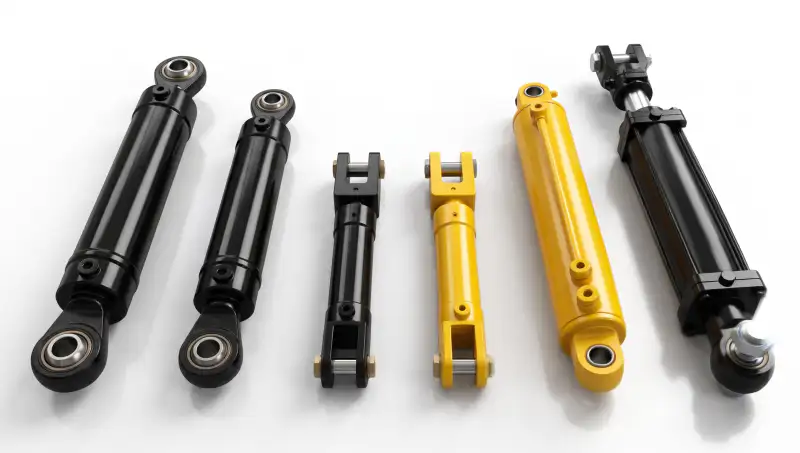
As a premier hydraulic cylinder manufacturer, we have analyzed thousands of failed units sent to our facilities for remanufacturing. Our engineering data reveals a stark reality: the vast majority of catastrophic cylinder failures are preceded by subtle, easily identifiable warning signs. Ignoring a weeping seal, a slight shudder during extension, or an unfamiliar whining noise inevitably transforms a minor maintenance task into a major capital expenditure.
For procurement professionals analyzing Hydraulic Cylinder Prices and total cost of ownership, and for engineers responsible for system reliability, mastering Hydraulic Cylinder Maintenance is non-negotiable. This comprehensive guide serves as your authoritative diagnostic manual. We will dissect the four most common hydraulic cylinder faults—external leakage, internal leakage, crawling (stick-slip), and abnormal noise—providing you with the technical knowledge to troubleshoot effectively and make informed Hydraulic System Purchase Recommendations.
1. The Rapid Diagnostic Matrix: Identifying the Four Major Faults
Before diving into the complex fluid dynamics and metallurgical degradation mechanisms, it is crucial to establish a baseline for rapid visual and auditory diagnostics on the shop floor or job site. Use this matrix to categorize the anomaly immediately.
| Primary Symptom | Engineering Classification | Root Cause Hypothesis | Immediate Action Required |
|---|---|---|---|
| Visible oil dripping from the rod gland | External Leakage | Rod seal degradation, scored chrome rod, worn wiper seal, or excessive side-loading. | Inspect rod for physical damage. Prepare for gland reseal to prevent fluid loss and environmental contamination. |
| Cylinder slowly drops under load; lacks pushing force | Internal Leakage (Bypass) | Piston seal failure, ballooned cylinder barrel, severely degraded hydraulic fluid viscosity. | Perform a cylinder drift test. Check fluid temperature. Schedule immediate internal inspection. |
| Stuttering, jerky, or “stepping” motion during extension | Crawling (Stick-Slip) | Aeration (air trapped in fluid), severe friction from worn guide bands, overtightened gland nut. | Bleed the hydraulic circuit of air. Check fluid lubricity and inspect alignment for binding. |
| High-pitched whining, rattling, or hard knocking sounds | Abnormal Noise Dynamics | Cavitation, fluid aeration, loose internal piston nut, or worn mounting bearings (clevis/trunnion). | Stop operation immediately if knocking occurs. Check pump suction lines for cavitation sources. |
2. External Leakage: The Obvious yet Complex Failure
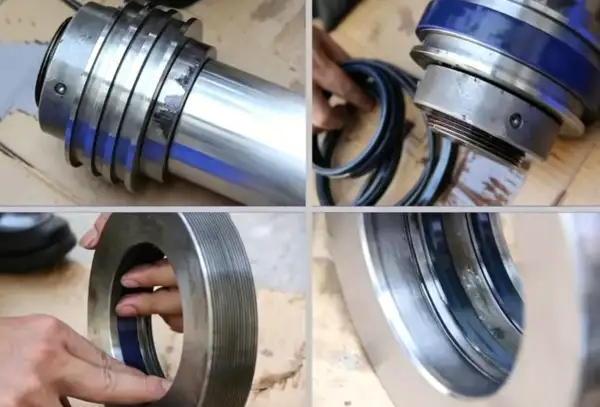
External leakage is the most visually apparent fault in any fluid power system. When you observe fluid escaping from the rod gland, the immediate assumption is often, “the seal is bad.” While technically true, replacing the seal without identifying why it failed is a futile exercise in treating the symptom rather than the disease. In high-demand applications, such as those relying on Forklift Hydraulic Cylinders or agricultural equipment, external leaks lead to hazardous work environments, fluid replacement costs, and EPA compliance issues.
The Root Causes of External Seal Failure
A. Mechanical Damage to the Piston Rod
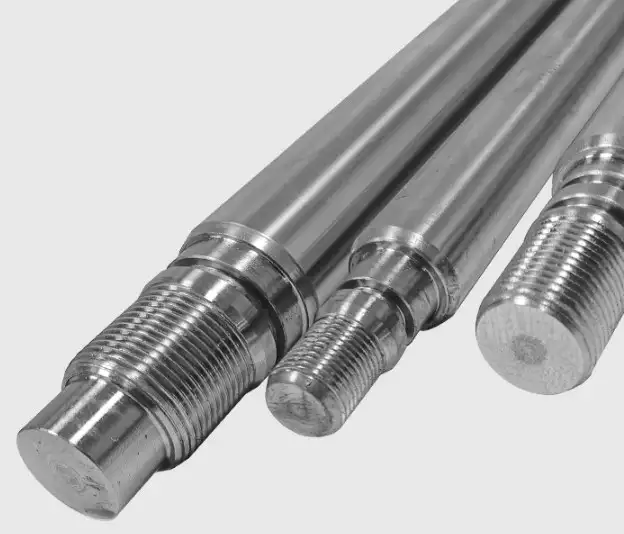
The piston rod is the only component that routinely enters the harsh external environment. If the hard chrome plating is struck by debris (like a rock in an excavator application), it creates a dent with sharp raised edges. Every time the rod retracts, these microscopic jagged edges act like a rasp, slicing microscopic grooves into the relatively soft polyurethane rod seal. Once the seal lip is compromised, pressurized fluid easily escapes.
B. Thermal Degradation and Chemical Aging
Hydraulic seals possess a specific thermal operating window. Standard Nitrile (NBR) seals begin to harden and lose their elasticity when fluid temperatures consistently exceed 85 Degrees Celsius (185 Degrees Fahrenheit). Once the elastomer hardens, it can no longer maintain the critical interference fit against the moving rod, allowing fluid to weep out. Similarly, incompatible hydraulic fluids can cause the seals to swell or dissolve chemically.
C. Wiper Seal Failure and Particulate Ingress
The wiper seal (or scraper) sits at the very outside of the gland. Its sole purpose is to scrape dirt, ice, and dust off the retracting rod. If the wiper seal degrades, abrasive particles are dragged inside the cylinder. These particles embed themselves into the primary pressure seal, creating a lapping compound that grinds away both the seal and the chrome rod plating simultaneously.
D. Improper Installation and Extrusion
If industrial hydraulic cylinders are subjected to pressure spikes far exceeding their design limits, the extreme pressure can literally force (extrude) the elastomeric seal material into the microscopic clearance gap between the rod and the gland housing. This “nibbling” destroys the seal rapidly. This is common when system relief valves are improperly calibrated.
3. Internal Leakage: The Invisible Thief of Power
Internal leakage, often referred to as “bypass,” is far more insidious than external leakage because it leaves no puddles on the floor. Instead, it silently steals your equipment’s efficiency. In a double-acting cylinder, internal leakage occurs when pressurized hydraulic fluid slips past the piston seal, migrating from the high-pressure chamber directly into the low-pressure return chamber.
The symptoms are deeply frustrating for operators: the machine feels weak, unable to lift its rated capacity. If lifting a load and neutralizing the valve, the load slowly sinks (drifts). Furthermore, because the high-pressure fluid is forced through a tiny breach in the piston seal, it creates immense fluid friction, generating severe localized heat that further destroys the internal components.
Why Does Internal Bypass Occur?
- Piston Seal Wear: The most common cause. Over millions of cycles, even the most robust PTFE or polyurethane piston seals will naturally abrade against the honed cylinder barrel wall, particularly if the hydraulic fluid is contaminated with micro-particulates.
- Barrel Ballooning: In Heavy-Duty Hydraulic Cylinders subjected to massive shock loads, the internal pressure can exceed the yield strength of the steel barrel. The barrel expands radially (balloons) in the middle of its stroke. When the piston reaches this expanded section, the seal can no longer bridge the widened gap, and massive bypass occurs.
- Scored Cylinder Bore: If the internal guide rings (wear bands) fail due to extreme side-loading, the steel piston will rub directly against the steel cylinder barrel. This metal-on-metal contact scores deep longitudinal scratches into the highly polished bore. No new seal can conform to these deep scratches, making resealing impossible without re-honing or replacing the tube entirely.
- Piston Nut Failure: If the large nut securing the piston to the rod loosens, fluid will bypass directly through the threading or between the piston and the rod shoulder. This is often accompanied by a distinct knocking sound at the end of the stroke.
4. The “Crawling” Phenomenon: Unraveling Stick-Slip Dynamics
When a hydraulic cylinder extends or retracts with a stuttering, jerky, or “stepping” motion—particularly at low speeds—it is experiencing a phenomenon engineers call “crawling” or “stick-slip” (stiction). In precision applications, such as automated tooling or custom hydraulic cylinders used in aerospace testing, crawling destroys positional accuracy and introduces severe vibrations into the machine structure.
The Physics Behind the Stutter
Crawling is fundamentally a battle between static friction (the force required to start moving) and kinetic friction (the force required to keep moving), exacerbated by the compressibility of trapped air.
1. Aeration (The Compressibility Factor)
Hydraulic fluid is considered incompressible. However, air is highly compressible. If air enters the system (through a leaky pump suction line, or improper bleeding during installation), it gets trapped in the cylinder. As pump pressure builds, the air bubble compresses like a spring without moving the load. Once the pressure overcomes the static friction of the seals, the cylinder lunges forward. The air bubble expands, pressure drops below kinetic friction, and the cylinder stops again. This cycle repeats rapidly, causing the “crawling” effect.
2. Boundary Lubrication Failure
At very low speeds, the hydraulic fluid may fail to form a continuous hydrodynamic lubricating film between the seals and the metal surfaces. The system enters “boundary lubrication,” where the rubber essentially drags dry against the steel. The friction spikes, causing the cylinder to stick until pressure builds enough to break it free.
3. Mechanical Binding and Misalignment
If the cylinder is installed out of alignment with the load path, it induces massive side-loading. The rod is forced against one side of the gland, and the piston against one side of the barrel. This mechanical binding creates excessive friction that pump pressure must constantly fight, resulting in jerky movements.
5. Abnormal Noise: Translating Auditory Warning Signs
A healthy hydraulic system operates with a steady, consistent hum. When you hear sharp knocks, high-pitched squeals, or the sound of marbles rattling in a pipe, the fluid power system is communicating severe distress. Accurate auditory diagnostics can prevent catastrophic failures.
- Cavitation (The “Marbles” Sound): If you hear a distinct rattling or crackling noise, especially near the cylinder ports or the main pump, you are likely hearing cavitation. This occurs when the pump tries to draw more fluid than is available (often due to cold, thick oil or clogged suction filters). The low pressure creates vapor bubbles in the oil. When these bubbles are subsequently compressed inside the cylinder, they implode with violent force, literally tearing microscopic chunks of metal away from the cylinder bore and valves.
- High-Pitched Squealing: A loud, high-frequency squeal usually indicates fluid being forced through a tiny restriction at extremely high pressure. This can be caused by a relief valve stuck partially open, or massive internal bypass across a blown piston seal acting as an unmetered orifice.
- Mechanical Knocking or Banging: A hard metallic clunk at the end of the cylinder’s stroke indicates that the internal cushioning mechanisms (designed to decelerate the piston before it hits the end cap) have failed or are misadjusted. A continuous rattling during the stroke points to a loose piston nut or severely worn mounting hardware (clevis pins or spherical bearings).
6. Step-by-Step Diagnostic Workflow: Stop Guessing, Start Testing
When a machine goes down, the pressure to replace parts quickly is immense. However, haphazardly swapping components is expensive and ineffective. Follow this logical diagnostic workflow used by expert Hydraulic Cylinder Suppliers.
- The Visual & Tactile Walkaround: Inspect the rod for physical scoring or blueing (a sign of extreme heat). Feel the outside of the cylinder barrel. If the barrel is uniformly hot, the entire system is overheating. If only one specific spot on the barrel is extremely hot, you have pinpointed the exact location of the internal seal bypass.
- Fluid Health Check: Pull a sample of the hydraulic oil. If it is milky white, it is heavily contaminated with water. If it smells burnt or is dark brown/black, it has undergone thermal degradation. Poor fluid quality will guarantee repeat seal failures.
- The “Drop Test” (Bypass Test): To confirm internal leakage on a double-acting cylinder, fully extend the cylinder under a safe load. Turn off the machine and safely relieve system pressure. Disconnect the return line (rod end hose) from the directional valve and place it in a bucket. If a continuous stream of fluid flows out of the rod-end hose while the load is pushing down on the extended cylinder, the piston seal is bypassing fluid. (Caution: Always follow strict lockout/tagout and high-pressure safety procedures).
- Pressure Gauging: Install in-line pressure gauges at the cylinder ports. If the pump is delivering 3000 PSI but the cylinder port only reads 1500 PSI, the problem lies upstream in a faulty directional valve or relief valve, not the cylinder itself.
7. The Repair Conundrum: DIY Maintenance vs. Professional Intervention
Once the fault is isolated to the cylinder, the procurement and maintenance teams face a decision: repack the seals in-house, send it out for repair, or purchase a new unit. Understanding the scope of the repair is vital.
When In-House Repair Makes Sense
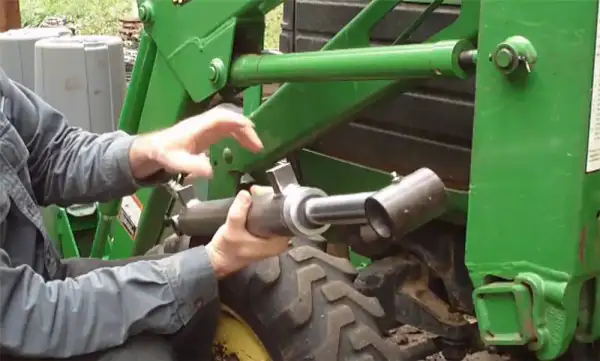
If the diagnostic reveals a simple external leak due to a degraded rod seal, and the chrome rod is perfectly smooth with no scoring, an in-house “repack” is viable. You will require specialized tools, including an adjustable spanner wrench for the gland nut, brass or plastic seal picks (never use hardened steel picks, which will scratch the sealing grooves), and a piston ring compressor for reassembly. Cleanliness is paramount; rebuilding a cylinder on a dirty workbench guarantees a secondary failure.
When to Call the Manufacturer
If the internal barrel is scored, the rod is bent or pitted, or the cylinder requires destructive disassembly (cutting welds), DIY repair is impossible. In these scenarios, contacting a reputable custom hydraulic cylinders manufacturer is required. Professional facilities possess the honing machines, induction hardening equipment, and hydraulic torque benches necessary to rebuild a cylinder to OEM or superior specifications.
8. Prevention is Profit: 5 Key Habits for Maximizing Cylinder Lifespan
The most cost-effective repair is the one that never happens. Implementing a robust preventative maintenance schedule will drastically extend the life of your fluid power systems.
- Manage Fluid Contamination: Adopt strict ISO 4406 cleanliness standards. Install high-efficiency return filters and desiccant breathers on your reservoirs. Over 70% of hydraulic failures are traced directly to contaminated fluid.
- Control Operating Temperatures: Keep fluid temperatures between 50°C and 60°C (120°F to 140°F). Excessive heat cooks seals and thins the oil, while excessive cold causes sluggishness and cavitation. Ensure heat exchangers are clean and functioning.
- Regular Walkaround Inspections: Train operators to inspect the exposed piston rods daily for nicks, dents, or rust, and to report weeping gland seals immediately. Catching a $20 seal leak early prevents a $2,000 scored rod replacement.
- Lubricate Pivot Points: Regularly grease spherical bearings, trunnions, and clevis pins. A seized mounting pin forces the cylinder to bend slightly during operation, creating severe side-loading that quickly destroys internal wear bands.
- Respect Load Limits: Never bypass pressure relief valves to lift heavier loads. System pressures are carefully calculated; exceeding them will cause barrel ballooning and catastrophic structural failure.
Need Engineering Support or High-Performance Cylinders?
Don’t let chronic cylinder failures derail your productivity. Partner with a manufacturer that engineers reliability from the inside out.
Frequently Asked Questions (Interactive Technical FAQ)
Why does my cylinder drift even after I replaced the piston seals?
If drift persists after a seal replacement, the problem is likely outside the cylinder. Check the directional control valve for spool wear, allowing fluid to leak past the lands back to the tank. Additionally, inspect any pilot-operated check valves (POCVs) or counterbalance valves in the circuit, as debris can hold these valves slightly open, causing load drift.
Is it normal for a hydraulic cylinder to get hot during operation?
Yes, moderate heat generation is normal due to fluid friction and pressure drops across valves. The cylinder should typically operate at the temperature of the hydraulic fluid (around 50°C – 60°C). However, if the cylinder is too hot to touch (exceeding 80°C/175°F), or if one specific spot on the barrel is glowing hot, it indicates severe internal seal bypass or excessive mechanical friction. High heat will rapidly destroy elastomeric seals.
How often should hydraulic cylinder seals be replaced?
There is no universal timeline based purely on calendar months. Seal lifespan depends heavily on duty cycle, operating pressure, fluid cleanliness, and environmental conditions. Some heavily abused mobile equipment cylinders may require resealing every 2,000 hours, while industrial cylinders in a clean, climate-controlled factory may last 10,000+ hours. Replace seals based on condition-monitoring (weeping, drift, performance loss) rather than arbitrary schedules.