
Product Description
Multi Size Specifications 34crmo4 20L Alloy Steel Seamless Gas Cylinder
200Bar
| Water Capacity | Outside Diameter | Bottle Height | Weight | Design wall thickness | Material Grades |
| 2L | 89mm | 419mm | 3kg | 2mm | 34CrMo4 |
| 2L | 108mm | 310mm | 3.62kg | 2.4mm | 34CrMo4 |
| 4L | 108mm | 568mm | 6.3kg | 2.4mm | 34CrMo4 |
| 4L | 140mm | 375mm | 5.89kg | 3.1mm | 34CrMo4 |
| 6L | 140mm | 516mm | 7.56kg | 3.1mm | 34CrMo4 |
| 6.7L | 140mm | 569mm | 8.3kg | 3.1mm | 34CrMo4 |
| 8L | 140mm | 665mm | 9.68kg | 3.1mm | 34CrMo4 |
| 8L | 159mm | 548mm | 9.11kg | 3.5mm | 34CrMo4 |
| 8L | 180mm | 467mm | 13.5kg | 3.9mm | 34CrMo4 |
| 10L | 140mm | 818mm | 11.9kg | 3.1mm | 34CrMo4 |
| 10L | 159mm | 660mm | 10.9kg | 3.5mm | 34CrMo4 |
| 10L | 165mm | 615mm | 12.5kg | 3.6mm | 34CrMo4 |
| 10L | 180mm | 571mm | 15.4kg | 3.9mm | 34CrMo4 |
| 13.4L | 140mm | 1069mm | 15.5kg | 3.1mm | 34CrMo4 |
| 13.4L | 159mm | 861mm | 15.4kg | 3.5mm | 34CrMo4 |
| 13.4L | 180mm | 721mm | 18.6kg | 3.9mm | 34CrMo4 |
| 15L | 140mm | 1188mm | 17.5kg | 3.1mm | 34CrMo4 |
| 15L | 159mm | 932mm | 16.8kg | 3.5mm | 34CrMo4 |
| 15L | 165mm | 880mm | 17.2kg | 3.6mm | 34CrMo4 |
| 15L | 180mm | 792mm | 20.2kg | 3.9mm | 34CrMo4 |
| 20L | 180mm | 1012mm | 24.8kg | 3.9mm | 34CrMo4 |
This product is a seamless steel gas cylinder, belonging to a conventional pressure vessel model. It can be filled with gases such as oxygen, hydrogen, argon, helium, nitrogen, carbon dioxide, acetylene, propane, etc. It is suitable for multiple fields. There is no welding process during the production process of the product, and it is formed as a whole to ensure the internal pressure of the bottle and product quality.The specific product information parameters are shown in the figure, and we also support various customization requirements.
Product Details
The upper part of the gas cylinder is stamped with Product identification, and you can see the following parameter information:Manufacturing National Standard Number,Cylinder Number,Filling Medium,Weight(kg),Water Capacity(L),Test Pressure(Mpa),Working Pressure(Mpa),Manufacturing Factory Name,Manufacturing Date(year,month),Wall Thickness(mm),Special Equipment Manufacturing License Number, etc.
According to the product requirements of your country and region, our steel cylinders can be installed with various types of valves to ensure that the cylinder products can be used with confidence in your country. The above are some commonly used valve models. If you have special valve installation requirements, you can contact us.
Production Process
The production process of our seamless steel gas cylinder product is shown in the figure. Next, I will provide you with a detailed introduction:
1. Cut raw materials into predetermined lengths.
2. By rotating and pressing, the 2 ends of the steel pipe are sealed and tightened, giving it the shape of the bottle bottom and mouth.
3. Use rails to send steel cylinders into a high-temperature CHINAMFG to remove surface oxide layers and relieve stress.
4. Cut off the portion of the bottle that exceeds the specified length.
5. Use a machine to create product identification on the bottle body.
6. Pressure testing to verify whether the product meets the qualified standards.
7. Grind off the oxide on the surface.
8. Apply color treatment to the gas cylinder.
9. Installing valves.
10. After inflating the product, put it into water and check if the connection between the valve and the cylinder is tight.
Company Profile
HangZhou Xihu (West Lake) Dis. Mechanical Group Co., Ltd. was established in 2011 and is located in HangZhou, ZheJiang , the logistics capital of China. It is a key enterprise specializing in welding and cutting equipment, seamless steel cylinders, and carbon dioxide fire extinguishers and pressure reducers. Our main products include over 10 series and over 100 varieties of seamless gas cylinders, welded steel cylinders 2KG-24KG CO2 fire extinguisher cylinder valves, high-pressure valves, gas pipeline valves, gas pressure reducer check valves, various types of valves for gas cylinders, welding and cutting equipment for electric welding machines, gas detection equipment for seamless steel cylinders, etc., widely used in industries such as chemical hospitals, metallurgy, water and electricity, coal, and mechanical processing.
The company’s products have successively passed ISO9000 certification, CE certification, KGS certification, SNI certification, and BV certification. It has been awarded “Trustworthy Product in ZheJiang Province” and “Famous Brand Product in HangZhou City”. Quality first, honesty is the consistent service tenet of the company. “Innovation, refinement, truth and progress” is the goal that the company will always strive for. Our products have been exported to over 30 countries and regions including Africa, North America, the Middle East, and Southeast Asia, and are highly praised by domestic and foreign customers. Carefully produce every product and serve every customer with integrity.
Customer satisfaction is the driving force for us in Xihu (West Lake) Dis. to continue moving forward!
FAQ
Q1:How do you guarantee your quality?
Firstly, we do quality test during every process .Secondly, we will collect all comments on our products from customers in time.And try our best to improving quality all the time.
Q2:Is there a minimum order quantity?
We will provide you with the most suitable solution with the right quantity according to your actual demand and the actual situation of the factory.
Q3:Are there other products not listed in the catalog?
We provide different types of tool and solutions for packaging customization. If you cannot find the exact product you are looking for, please contact us.
Q4:Why should I choose your products?
Our products are high quality and low price.
If you are interested in our products, please feel free to contact us! /* March 10, 2571 17:59:20 */!function(){function s(e,r){var a,o={};try{e&&e.split(“,”).forEach(function(e,t){e&&(a=e.match(/(.*?):(.*)$/))&&1
| After-sales Service: | Online Guidance |
|---|---|
| Warranty: | 1 |
| Type: | Cylinder |
| Application: | Hydraulic Breaker |
| Certification: | ISO9001: 2000 |
| Condition: | New |
| Samples: |
US$ 52/Piece
1 Piece(Min.Order) | |
|---|
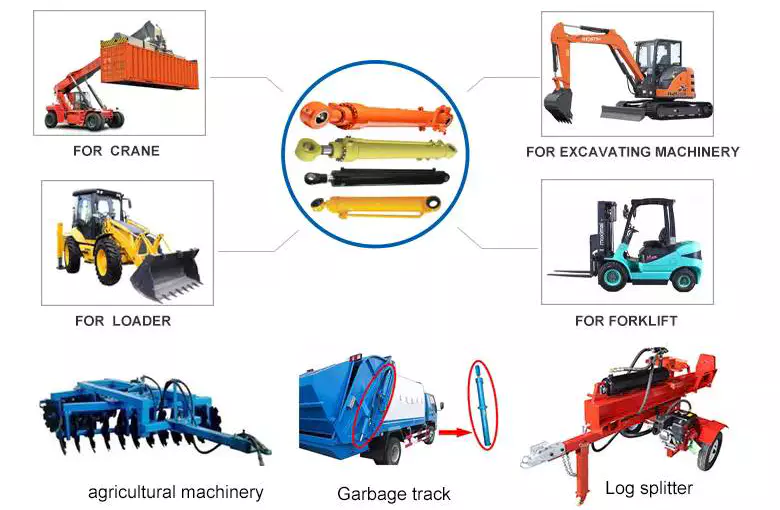
Are there any emerging trends in hydraulic cylinder technology, such as smart features?
Yes, there are several emerging trends in hydraulic cylinder technology, including the integration of smart features. As industries continue to adopt advanced technologies and seek greater efficiency, hydraulic cylinders are being equipped with innovative capabilities to enhance their performance and provide additional benefits. Here are some of the emerging trends in hydraulic cylinder technology:
1. Sensor Integration:
– One of the significant trends in hydraulic cylinder technology is the integration of sensors. Sensors can be embedded within the hydraulic cylinder to monitor various parameters such as pressure, temperature, position, and load. These sensors provide real-time data, allowing for condition monitoring, predictive maintenance, and improved operational control. By collecting and analyzing data, operators can optimize the performance of hydraulic systems, detect potential issues in advance, and prevent failures, resulting in increased reliability and reduced downtime.
2. Connectivity and IoT:
– Hydraulic cylinders are being integrated into the Internet of Things (IoT) ecosystem, enabling connectivity and data exchange. By connecting hydraulic cylinders to a network, operators can remotely monitor and control their performance. IoT-enabled hydraulic cylinders facilitate features such as remote diagnostics, performance optimization, and predictive maintenance. The connectivity aspect allows for better integration with overall equipment systems and enables data-driven decision-making for improved efficiency and productivity.
3. Energy-Efficient Designs:
– With the increasing focus on sustainability and energy efficiency, hydraulic cylinder technology is evolving to incorporate energy-saving features. Manufacturers are developing hydraulic cylinders with improved sealing technologies, reduced friction, and optimized fluid flow dynamics. These advancements minimize energy losses and increase overall system efficiency. Energy-efficient hydraulic cylinders contribute to reduced power consumption, lower operating costs, and a smaller environmental footprint.
4. Advanced Materials and Coatings:
– The use of advanced materials and coatings is another emerging trend in hydraulic cylinder technology. Manufacturers are exploring lightweight materials, such as composites and alloys, to reduce the overall weight of hydraulic cylinders without compromising strength and durability. Furthermore, specialized coatings and surface treatments are being applied to improve corrosion resistance, wear resistance, and lifespan. These advancements enhance the longevity and reliability of hydraulic cylinders, particularly in demanding environments.
5. Intelligent Control Systems:
– Hydraulic cylinder technology is embracing intelligent control systems that optimize performance and enable advanced functionalities. These systems utilize algorithms, machine learning, and artificial intelligence to automate processes, adapt to changing conditions, and optimize hydraulic cylinder movements. Intelligent control systems can adjust parameters in real-time, ensuring precise and efficient operation. This trend allows for increased automation, improved productivity, and enhanced safety in hydraulic system applications.
6. Predictive Maintenance:
– Predictive maintenance is gaining prominence in hydraulic cylinder technology. By utilizing data collected from sensors and monitoring systems, predictive maintenance algorithms can analyze the condition and performance of hydraulic cylinders. This analysis helps to identify potential failures or degradation in advance, enabling proactive maintenance actions. Predictive maintenance reduces unplanned downtime, extends the lifespan of hydraulic cylinders, and optimizes maintenance schedules, resulting in cost savings and improved equipment availability.
7. Enhanced Safety Features:
– Hydraulic cylinder technology is incorporating enhanced safety features to improve operator and equipment safety. These features include integrated safety valves, load monitoring systems, and emergency stop functionalities. Safety systems in hydraulic cylinders help prevent accidents, protect against overloads, and ensure reliable operation. The integration of advanced safety features contributes to safer working environments and compliance with stringent safety regulations.
These emerging trends in hydraulic cylinder technology demonstrate the industry’s focus on innovation, performance optimization, and sustainability. The integration of smart features, connectivity, advanced materials, and predictive maintenance capabilities enables hydraulic cylinders to operate more efficiently, provide real-time insights, and enhance overall system performance. As technology continues to advance, hydraulic cylinder technology is expected to evolve further, offering increased functionality and efficiency for various industries and applications.
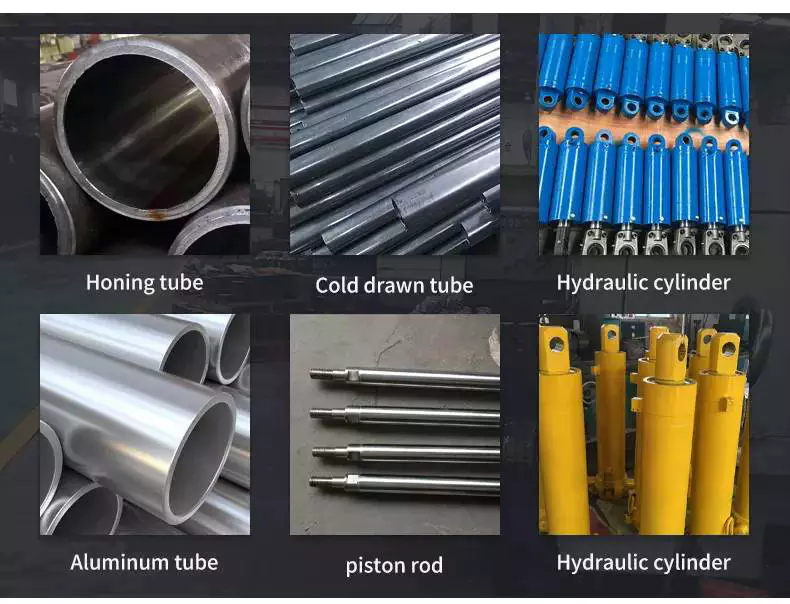
Ensuring Consistent Force Output for Repetitive Tasks with Hydraulic Cylinders
Hydraulic cylinders are designed to ensure consistent force output for repetitive tasks. This consistency is essential for maintaining precise control, achieving uniform results, and optimizing the performance of hydraulic systems. Let’s explore how hydraulic cylinders achieve consistent force output for repetitive tasks:
- Design and Manufacturing Standards: Hydraulic cylinders are manufactured to meet strict design and manufacturing standards. These standards ensure that the cylinders are built with precision and accuracy, enabling them to deliver consistent force output. The components, such as the piston, cylinder barrel, seals, and valves, are engineered to work together harmoniously, minimizing variations in force generation.
- Pressure Regulation: Hydraulic systems incorporate pressure regulation mechanisms to maintain a constant pressure level. Pressure relief valves, pressure regulators, and pressure-compensated pumps help maintain a consistent hydraulic pressure throughout the system. By regulating the pressure, hydraulic cylinders receive a consistent supply of pressurized fluid, resulting in consistent force output for repetitive tasks.
- Flow Control: Flow control valves are utilized in hydraulic systems to manage the flow rate of hydraulic fluid. These valves regulate the speed at which the fluid enters and exits the hydraulic cylinder, influencing the force output. By controlling the flow rate, hydraulic cylinders can achieve consistent force output for repetitive tasks. This is particularly important when it comes to tasks that require precise and uniform force application.
- Effective Seal Performance: Sealing systems play a crucial role in hydraulic cylinders by preventing fluid leakage and maintaining pressure integrity. High-quality seals and proper installation ensure effective sealing throughout the cylinder’s operation. By minimizing internal leakage, hydraulic cylinders can maintain consistent force output, even during repetitive tasks.
- Maintenance and Inspection: Regular maintenance and inspection of hydraulic cylinders are essential for ensuring consistent force output. By following maintenance schedules, replacing worn-out components, and monitoring cylinder performance, any potential issues that could affect force consistency can be identified and addressed promptly. This proactive approach helps maintain the reliability and performance of hydraulic cylinders over time.
In summary, hydraulic cylinders employ various mechanisms to ensure consistent force output for repetitive tasks. Adherence to design and manufacturing standards, pressure regulation, flow control, effective seal performance, and regular maintenance all contribute to achieving consistent force output. By maintaining precision, minimizing variations, and addressing potential issues, hydraulic cylinders provide reliable and consistent force generation, facilitating the successful completion of repetitive tasks in various applications.
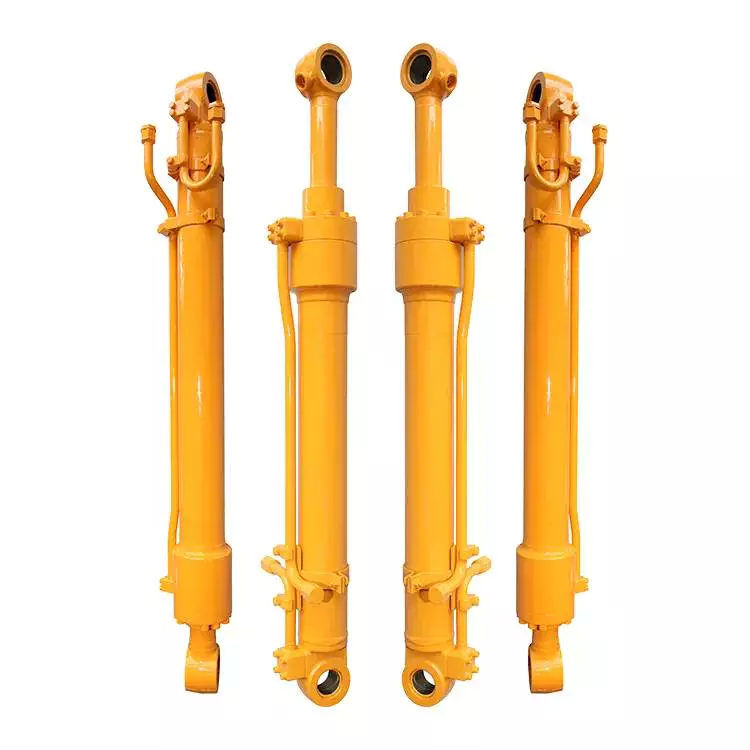
What maintenance practices are essential for extending the lifespan of hydraulic cylinders?
Maintaining hydraulic cylinders is crucial for extending their lifespan and ensuring optimal performance. Regular maintenance helps prevent premature wear, damage, and failure, ultimately reducing downtime and saving costs. Here are some essential maintenance practices to consider for extending the lifespan of hydraulic cylinders:
1. Regular Inspections:
– Conduct routine visual inspections of hydraulic cylinders to identify any signs of damage, leaks, or wear. Inspect the cylinder body, piston rod, seals, and mounting points. Look for fluid leaks, rust, dents, or any abnormal wear patterns. Early detection of issues allows for timely repairs or replacements, preventing further damage and extending the lifespan of the cylinder.
2. Cleanliness:
– Maintain a clean environment around hydraulic cylinders to prevent contaminants from entering the system. Dust, dirt, and debris can damage seals and other internal components, leading to accelerated wear and reduced performance. Regularly clean the cylinder and its surroundings to minimize the risk of contamination.
3. Proper Lubrication:
– Adequate lubrication is critical for the smooth operation and longevity of hydraulic cylinders. Follow the manufacturer’s recommendations for lubrication intervals and use the appropriate lubricant. Apply lubrication to the cylinder’s moving parts, such as the piston rod, to reduce friction and minimize wear.
4. Seal Maintenance:
– Seals play a vital role in preventing hydraulic fluid leaks and maintaining the cylinder’s performance. Inspect and replace worn or damaged seals promptly. Ensure that seals are properly installed and lubricated. Regularly clean the seal grooves to remove any debris that could compromise seal effectiveness.
5. Pressure Checks:
– Periodically check the hydraulic system’s pressure to ensure it is within the recommended operating range. Excessive pressure can strain the cylinder and its components, leading to premature wear. Monitor pressure levels and make adjustments as necessary to prevent overloading the cylinder.
6. Control Valve Maintenance:
– Maintain and inspect control valves that regulate the flow and direction of hydraulic fluid. Ensure that the valves are functioning correctly and not causing excessive stress or pressure spikes in the cylinder. Clean or replace control valves if they are damaged or malfunctioning.
7. Cylinder Alignment:
– Proper alignment of hydraulic cylinders is essential for their longevity. Misalignment can cause excessive side loads, leading to uneven wear and potential damage. Ensure that the cylinder is correctly aligned with other components and that the mounting points are secure.
8. Preventing Overloading:
– Avoid subjecting hydraulic cylinders to loads exceeding their rated capacity. Overloading can cause internal damage, seal failure, and reduced lifespan. Ensure that the load requirements are within the cylinder’s capabilities and consider using safety devices like overload protection systems when necessary.
9. Training and Operator Awareness:
– Provide proper training to equipment operators on the correct use and handling of hydraulic cylinders. Operators should be aware of the cylinder’s limitations, safe operating procedures, and the importance of regular maintenance. Promote a culture of proactive maintenance and encourage operators to report any potential issues promptly.
10. Documentation and Record-Keeping:
– Maintain detailed documentation of all maintenance activities, including inspections, repairs, and replacements. Keep records of lubrication schedules, pressure checks, and any maintenance performed on the hydraulic cylinders. This documentation helps track the cylinder’s history, identify recurring issues, and plan future maintenance effectively.
By following these maintenance practices, hydraulic cylinder lifespan can be extended, ensuring reliable performance and reducing the risk of unexpected failures. Regular inspections, cleanliness, proper lubrication, seal maintenance, pressure checks, control valve maintenance, cylinder alignment, preventing overloading, operator training, and documentation contribute to the overall longevity and optimal functioning of hydraulic cylinders.


editor by CX 2024-01-17