Product Description
Product Description
prodcut details
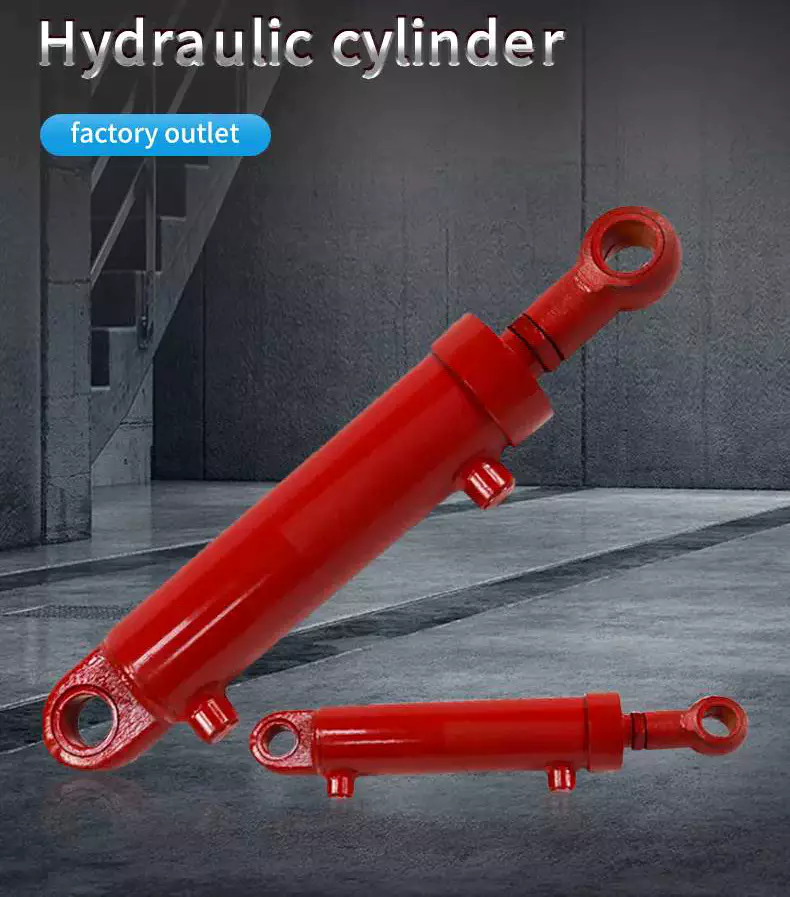
The North American advanced processing technology is adopted to ensure the stable performance.
High quality alloy seamless steelpipe are adopted to keep big lifting capacity and light weight
The application of imperial size makes it easy to replace the seals and other accessories
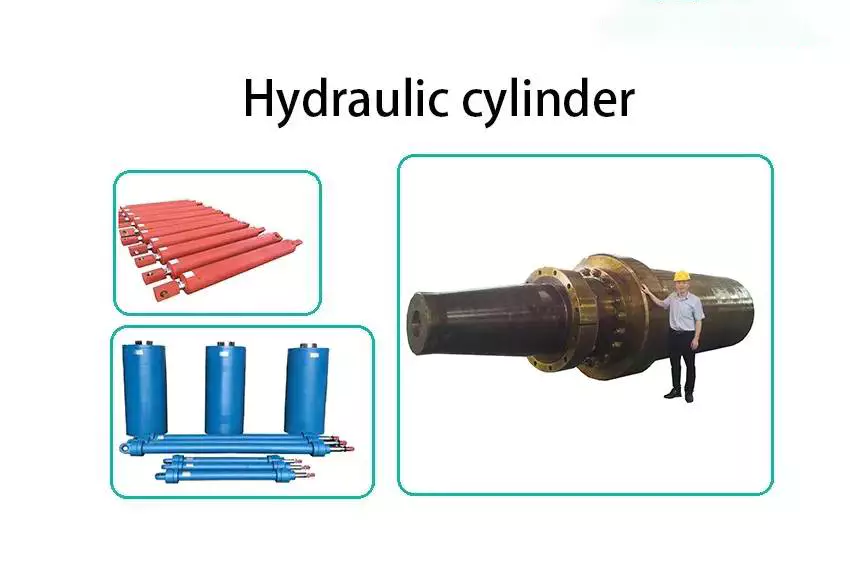
Telescopic cylinders are made from E355 steel grade, however, you can request as per your specification (such as 27SiMn, 16Mn,etc.).
Superior chrome-plating technology improves the corrosion resistance and hardness of cylinders
The world famous brands of seals such as HALLITE, CHINAMFG and NOK ensure the sealing performance
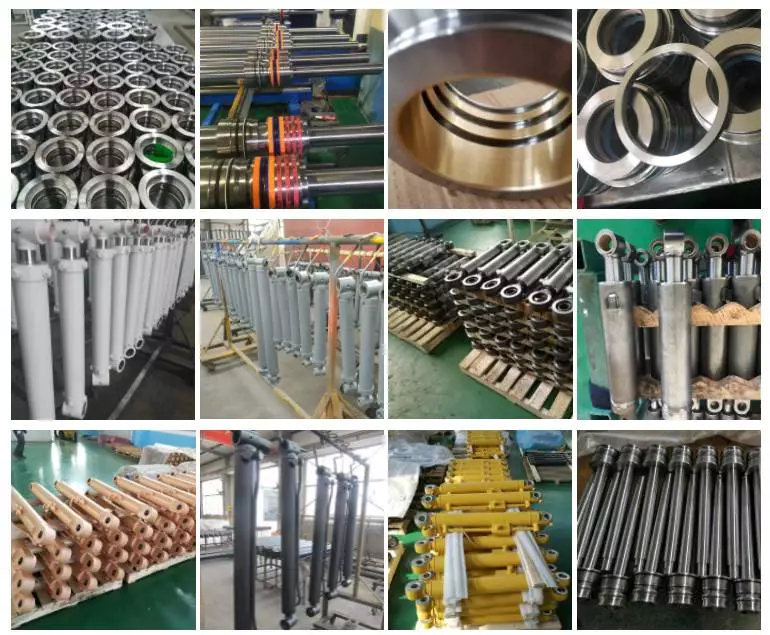
World-class processing technology ensures stable and reliable quality
12 months quality gurantee with full after-sale service policy
Custom Design: As per your drawing and specifications – such pressure, seal kit, and steel grade material
All our products are tested with hydraulic oil, applying test pressure before shipment. We to promise to provide flawless and quality products to our customers.
Main application areas of hydraulic
Construction machinery / Hydraulic automatic shifting gearbox/
Vehicle temperature control / mining machine / Working at height /
Agricultural machinery / Port Machinery / Material handling / Municipal vehicle
| NO | ITEM | DATA OF dump truck hydraulic cylinder | ||||||||||||||||
| 1 | Material | Carbon Steel, Alloy Steel, 27SiMn,45#,20#,etc | ||||||||||||||||
| 2 | Honed tube | 40-3 square CHINAMFG with 150 employees . And we have one-stop solution from design to package and OEM&ODM service with 30 year experience. There are 15 precision production lines with a monthly output value of up to 200,000 units. Excellent quality products are guaranteed by advanced processing equipment. The company has imported CNC deep hole boring machines, CNC laser cutting machines, CNC machining centers, CNC cleaning machines, automatic assembly lines for hydraulic cylinders, robot welding stations, automatic welding machines and other precision processing equipment, over 600 sets.The company has successively won the title of “Influential Brand of Hydraulic Parts and Accessories in China’s Construction Machinery Parts Industry” and its high-pressure cylinder products have won many honorary titles including 36 patents. Each process has undergone precise parts testing and finished product testing. It has a quality shelf life of up to 12 mnths and provides a perfect after-sales service policy.After years of development, Tingshi Hydraulic has developed into an enterprise with complete hardware facilities, sophisticated processing equipment, strong technical force, and good social benefits. For the stable development of your main business, we look CHINAMFG to cooperating with you.
HIGH QUALITITY GUARANTEE- Telescopic hydraulic cylinder for dump truck <Hydraulic Cylinder Leak Test <Telescopic Hydraulic jack Buffer Test <Hydraulic Telescopic Cylinder Reliability Test <Dump truck Hydraulic Cylinder Full Stroke Test <Dump trailer Hydraulic Cylinder Trial Operation Test <Tipper truck Cylinder Pressure Tight Test <Dump truck telescopic Hydraulic Cylinder Load Efficiency Test
Certifications
Packaging & Shipping
FAQ
1. who are we? 2. how can we guarantee quality? 3.what can you buy from us? 4. what services can we provide? 5. why should you buy from us not from other suppliers?
/* January 22, 2571 19:08:37 */!function(){function s(e,r){var a,o={};try{e&&e.split(“,”).forEach(function(e,t){e&&(a=e.match(/(.*?):(.*)$/))&&1
How do hydraulic cylinders ensure smooth and consistent movement in heavy machinery?Hydraulic cylinders play a vital role in ensuring smooth and consistent movement in heavy machinery. Their design and operation allow for precise control over the motion of heavy loads, resulting in efficient and reliable performance. Here’s a detailed explanation of how hydraulic cylinders contribute to smooth and consistent movement in heavy machinery: 1. Hydraulic Fluid and Pressure: – Hydraulic cylinders operate by utilizing hydraulic fluid, typically oil, to transmit force and motion. The fluid is pressurized by a hydraulic pump, creating a force that acts on the piston inside the cylinder. The pressure of the hydraulic fluid can be precisely controlled, allowing for smooth and gradual movement of heavy machinery. The fluid’s incompressibility ensures that the force is evenly distributed, resulting in consistent and predictable motion. 2. Piston and Cylinder Design: – Hydraulic cylinders are designed with precision to ensure smooth movement. The piston and cylinder bore are machined to tight tolerances, reducing friction and minimizing internal leakage. This precise fit between the piston and cylinder walls helps maintain consistent motion without jerks or sudden changes in speed. Additionally, the use of high-quality seals and lubrication further enhances the smooth operation of the cylinder. 3. Control Valves and Flow Control: – Hydraulic systems incorporate control valves that regulate the flow of hydraulic fluid into and out of the cylinder. These valves allow for precise control over the speed and direction of the cylinder’s movement. By adjusting the flow rate, operators can achieve smooth and controlled motion of heavy machinery, avoiding sudden starts or stops. Flow control valves also enable speed adjustment, ensuring consistent movement even under varying loads or operating conditions. 4. Cushioning and Damping: – Hydraulic cylinders can be equipped with cushioning mechanisms to absorb shock and minimize impacts during the movement of heavy machinery. Cushioning is achieved by incorporating specialized valves or adjustable orifices in the cylinder, which restrict the flow of hydraulic fluid near the end of the stroke. This gradual deceleration helps prevent sudden jolts or vibrations, maintaining smooth and consistent movement while reducing stress on the machinery and its components. 5. Load Balancing: – Hydraulic cylinders can be designed and arranged in a system to balance the load and distribute forces evenly. By utilizing multiple cylinders in parallel or series configurations, heavy machinery can achieve balanced movement, preventing uneven stress and ensuring smooth operation. Load balancing also helps minimize the risk of component failure and enhances the overall stability and longevity of the machinery. 6. Feedback and Control Systems: – Advanced hydraulic systems incorporate feedback sensors and control systems to monitor and adjust the movement of heavy machinery. These sensors provide real-time information about the position, speed, and force exerted by the hydraulic cylinders. The control system processes this data and adjusts the flow of hydraulic fluid accordingly to maintain smooth and consistent movement. By continuously monitoring and regulating the cylinder’s operation, feedback and control systems contribute to precise and reliable motion control. 7. Maintenance and Servicing: – Regular maintenance and servicing of hydraulic cylinders are essential to ensure their smooth and consistent movement in heavy machinery. Proper lubrication, inspection of seals, and replacement of worn-out components help maintain optimal performance. Preventive maintenance practices, such as filter replacements and fluid analysis, also contribute to the longevity and reliability of hydraulic systems, ensuring consistent movement over time. In summary, hydraulic cylinders ensure smooth and consistent movement in heavy machinery through the use of hydraulic fluid and pressure, precise piston and cylinder design, control valves and flow control, cushioning and damping mechanisms, load balancing, feedback and control systems, and regular maintenance and servicing. By leveraging these features, hydraulic cylinders provide the necessary force and control to handle heavy loads while maintaining precise and reliable motion, enhancing the overall performance and productivity of heavy machinery in various industrial applications.
Adaptation of Hydraulic Cylinders for Medical Equipment and Aerospace ApplicationsHydraulic cylinders have the potential to be adapted for use in medical equipment and aerospace applications, offering unique advantages in these industries. Let’s explore how hydraulic cylinders can be adapted for these specialized fields:
In summary, hydraulic cylinders can be adapted for use in medical equipment and aerospace applications, leveraging their precise positioning, load handling capabilities, controlled motion, durability, and reliability. In medical equipment, hydraulic cylinders enable comfortable patient positioning, smooth transitions, and controlled movements during procedures. In aerospace, hydraulic cylinders provide precise actuation, weight optimization, shock and vibration resistance, and space-efficient solutions. By adapting hydraulic cylinders to these specialized fields, manufacturers can meet the unique requirements and enhance the performance of medical equipment and aerospace systems.
What are the common signs of wear or leakage that indicate hydraulic cylinder issues?Hydraulic cylinders are critical components in hydraulic systems, and wear or leakage can lead to performance issues and potential system failures. It is important to be aware of the common signs that indicate hydraulic cylinder problems. Here’s a detailed explanation of the common signs of wear or leakage that indicate hydraulic cylinder issues: 1. Fluid Leakage: – Fluid leakage is one of the most obvious signs of hydraulic cylinder problems. If you notice hydraulic fluid leaking from the cylinder, it indicates a seal failure or damage to the cylinder. Leaking fluid may be visible around the rod, piston, or cylinder body. It is important to address fluid leakage promptly as it can lead to a loss of system efficiency, contamination of the surrounding environment, and potential damage to other system components. 2. Reduced Performance: – Wear or internal damage to the hydraulic cylinder can result in reduced performance. You may notice a decrease in the cylinder’s force output, slower operation, or difficulty in extending or retracting the cylinder. Reduced performance can be indicative of worn seals, damaged piston or rod, internal leakage, or contamination within the cylinder. Any noticeable decrease in the cylinder’s performance should be inspected and addressed to prevent further damage or system inefficiencies. 3. Abnormal Noise or Vibrations: – Unusual noise or vibrations during the operation of a hydraulic cylinder can indicate internal wear or damage. Excessive noise, knocking sounds, or vibrations that are not typical for the system may suggest problems such as worn bearings, misalignment, or loose internal components. These signs should be investigated to identify the source of the issue and take appropriate corrective measures. 4. Excessive Heat: – Overheating of the hydraulic cylinder is another sign of potential issues. If the cylinder feels excessively hot to the touch during normal operation, it may indicate problems such as internal leakage, fluid contamination, or inadequate lubrication. Excessive heat can lead to accelerated wear, reduced efficiency, and overall system malfunctions. Monitoring the temperature of the hydraulic cylinder is important to detect and address potential problems. 5. External Damage: – Physical damage to the hydraulic cylinder, such as dents, scratches, or bent rods, can contribute to wear and leakage issues. External damage can compromise the integrity of the cylinder, leading to fluid leakage, misalignment, or inefficient operation. Regular inspection of the cylinder’s external condition is essential to identify any visible signs of damage and take appropriate actions. 6. Seal Failure: – Hydraulic cylinder seals are critical components that prevent fluid leakage and maintain system integrity. Signs of seal failure include fluid leakage, reduced performance, and increased friction during cylinder operation. Damaged or worn seals should be replaced promptly to prevent further deterioration of the cylinder’s performance and potential damage to other system components. 7. Contamination: – Contamination within the hydraulic cylinder can cause wear, damage to seals, and overall system inefficiencies. Signs of contamination include the presence of foreign particles, debris, or sludge in the hydraulic fluid or visible damage to seals and other internal components. Regular fluid analysis and maintenance practices should be implemented to prevent contamination and address any signs of contamination promptly. 8. Irregular Seal Wear: – Hydraulic cylinder seals can wear over time due to friction, pressure, and operating conditions. Irregular seal wear patterns, such as uneven wear or excessive wear in specific areas, may indicate misalignment or improper installation. Monitoring the condition of the seals during regular maintenance can help identify potential issues and prevent premature seal failure. It is important to address these common signs of wear or leakage promptly to prevent further damage, ensure the optimal performance of hydraulic cylinders, and maintain the overall efficiency and reliability of the hydraulic system. Regular inspection, maintenance, and timely repairs or replacements of damaged components are key to mitigating hydraulic cylinder issues and maximizing system longevity. |