Product Description
Product Description
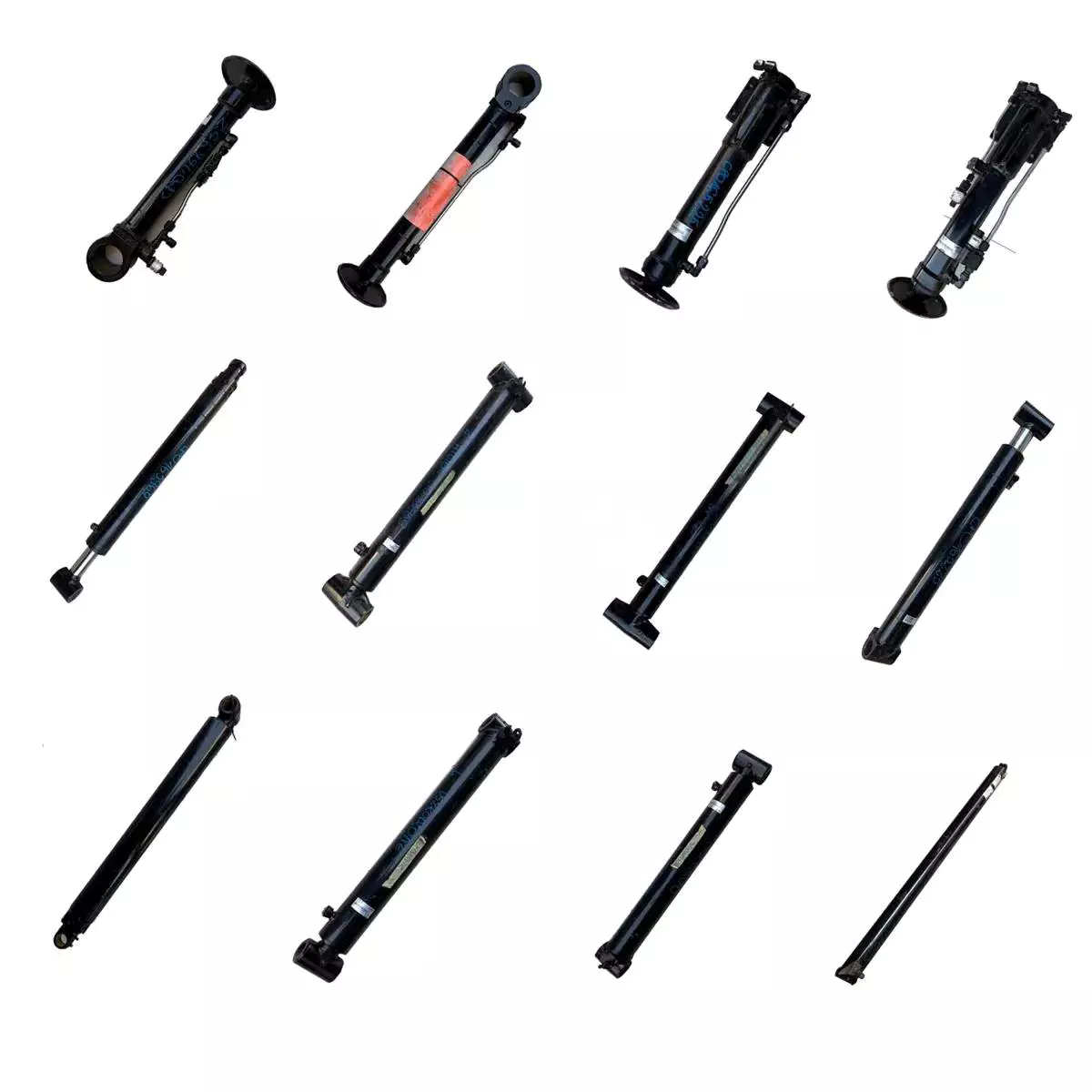
Hydraulic Equipment includes Engineering Hydraulic Cylinder, Hydraulic Cylinder for metallurgical equipment, Hydraulic Cylinder For Industry and Thin Hydraulic Cylinder, etc. The DGR JOB series hydraulic cylinder is a thin hydraulic cylinder with delicate appearance, reasonable design, small space occupation, and convenient installation (with multiple installation methods).
The thin hydraulic cylinder is a compact hydraulic cylinder with a relatively small overall size and is suitable for occasions with limited space. They are usually made of high-strength alloy materials and have high load-bearing capacity and durability.
The structural design of the thin hydraulic cylinder allows it to have a lower height and a larger stroke, and can provide a larger push or pull force in a limited space. It usually consists of a piston, cylinder, seals and connecting parts. When the piston moves in the cylinder, the force is transmitted to the connecting parts through hydraulic force, thereby achieving the output of thrust or pulling force.
The thin hydraulic cylinders are widely used in various mechanical equipment and industrial fields, such as automated production lines, machine tools, lifting equipment, etc. They can be used to push or pull objects, adjust the position of mechanical parts, control the opening and closing of valves, etc. The compact design and efficient working performance of the thin hydraulic cylinder enable it to provide reliable power output when space is limited.
Features of JOB series:
1. The thin hydraulic cylinder is mainly used for clamp cylinder.
2. Lower demand for mounting space.
3. Delicate appearance, the total length of the thin oil cylinder is about 1/2 or 1/3 of the same diameter rod oil cylinders.
4. Mounted directly, without any accessories.
5. Adopt high temperature resistance sealing pad, normally work even under 180°C.
6. The piston rod terminal attaches with an adjustable screw, which makes the stroke adjustable.
Detailed Photos
Product Parameters
| Compact JOB Series Hydraulic Cylinder(Inner thread) | |
| Cylinder bore range | 20-200mm |
| Valid stroke | 5-400mm |
| Working speed | 8-300mm/s |
| Working pressure | 0.3-14MPa |
| Shaft diameter | 32-125mm |
| Working media | Standard hydraulic oil with filtration |
| Cylinder material | HT300/HT45 or special steel |
| Operation temperature | -10ºC~+60ºC |
| Max.stroke | Cylinder bore 20/25/32<50mm, cylinder bore 40/50/63/80/100<100mm |
| Mounting methods | Axially mounting, radial mounting |
| Piston rod types | Inner thread, outer thread, H type |
| Hydraulic cylinder types | Standard, dual axis adjustable, magnetic induction type |
Our Advantages
Smooth movement
The piston movement of the hydraulic cylinder is smooth without shock and vibration, allowing precise position control.
High reliability
The hydraulic cylinder has a simple structure, no wearing parts, long service life, and can operate stably in harsh working environments.
Easy to install
The installation and debugging of hydraulic cylinders are relatively simple, and they can be flexibly arranged and installed according to specif..
Low maintenance cost
The maintenance cost of hydraulic cylinders is relatively low. You only need to regularly check the cleanliness and level of the hydraulic oil and…
Application
With the development of technology, small oil cylinders have been widely used in industries, agriculture, automobiles, machinery, and construction, and have become an indispensable part of the production lines of major enterprises.
Company Profile
HangZhou Packway Technology Development Co., LTD, founded in March 2005, has been at the forefront of innovation, constantly striving to develop cutting-edge technologies and solutions. With our headquarters located in HangZhou,we currently operate 3 subsidiary companies, each connected with different sectors of the machinery market.
Our three branches:
HangZhou Superworker Technology Co., LTD, established in June 2011, is an innovative enterprise specialized in industrial packaging. The main products and services include: automatic mechanical equipment (steel belt /PET belt strapping machine, clipping belt machine, marking spray machine, labeling machine, etc.), intelligent industrial packaging unit (coil, wire, plate, etc.), intelligent coil logistics system, transformation and upgrading services of similar products, repair and maintenance services of related equipment, supply of wearing parts and consumables. The SUPERWORKER has strong R&D strength and Customers from both domestic and international markets.
With the wide application of automation equipment, HangZhou Dagongren Electric Cylinder Technology Co., Ltd came into being in 2014. We are engaged in designing and manufacturing linear motion products, including servo/stepper motor electric cylinders, linear actuators, multi-degree of freedom platforms, synchronization lifting platforms, VR simulators, etc., with features of high positioning accuracy, low noise, and long life. Our products have been widely used in automated warehousing, robotics, automation equipment, medical equipment, and AGV, vehicles, etc.
Works Hydraulic Technology (HangZhou) Co.. Ltd, deeply rooted in the hydraulic, electronic control, and mechanical related industries, focuses on the research and development, production, and sales of electromechanical and hydraulic products. With a professional approach to providing personalized solutions for customers as the main model. Works mainly produces various hydraulic equipment, lubrication equipment, electronic control systems, hydraulic cylinders, and other products.
| Certification: | CE, ISO9001 |
|---|---|
| Pressure: | Low Pressure |
| Work Temperature: | High Temperature |
| Acting Way: | Single Acting |
| Working Method: | Straight Trip |
| Adjusted Form: | Regulated Type |
| Samples: |
US$ 10/Piece
1 Piece(Min.Order) | |
|---|
| Customization: |
Available
|
|
|---|
How do hydraulic cylinders handle the challenges of precise positioning and control?
Hydraulic cylinders are designed to handle the challenges of precise positioning and control with a combination of engineering principles and advanced control systems. These challenges often arise in applications where accurate and controlled movements are required, such as in industrial automation, construction, and material handling. Here’s a detailed explanation of how hydraulic cylinders overcome these challenges:
1. Fluid Power Control:
– Hydraulic cylinders utilize fluid power control to achieve precise positioning and control. The hydraulic system consists of a hydraulic pump, control valves, and hydraulic fluid. By regulating the flow of hydraulic fluid into and out of the cylinder, operators can control the speed, direction, and force exerted by the cylinder. The fluid power control allows for smooth and accurate movements, enabling precise positioning of the hydraulic cylinder and the attached load.
2. Control Valves:
– Control valves play a crucial role in handling the challenges of precise positioning and control. These valves are responsible for directing the flow of hydraulic fluid within the system. They can be manually operated or electronically controlled. Control valves allow operators to adjust the flow rate of the hydraulic fluid, controlling the speed of the cylinder’s movement. By modulating the flow, operators can achieve fine control over the positioning of the hydraulic cylinder, enabling precise and accurate movements.
3. Proportional Control:
– Hydraulic cylinders can be equipped with proportional control systems, which offer enhanced precision in positioning and control. Proportional control systems utilize electronic feedback and control algorithms to precisely regulate the flow and pressure of the hydraulic fluid. These systems provide accurate and proportional control over the movement of the hydraulic cylinder, allowing for precise positioning at various points along its stroke length. Proportional control enhances the cylinder’s ability to handle complex tasks that require precise movements and control.
4. Position Feedback Sensors:
– To achieve precise positioning, hydraulic cylinders often incorporate position feedback sensors. These sensors provide real-time information about the position of the cylinder’s piston rod. Common types of position feedback sensors include potentiometers, linear variable differential transformers (LVDTs), and magnetostrictive sensors. By continuously monitoring the position, the feedback sensors enable closed-loop control, allowing for accurate positioning and control of the hydraulic cylinder. The feedback information is used to adjust the flow of hydraulic fluid to achieve the desired position accurately.
5. Servo Control Systems:
– Advanced hydraulic systems employ servo control systems to handle the challenges of precise positioning and control. Servo control systems combine electronic control, position feedback sensors, and proportional control valves to achieve high levels of accuracy and responsiveness. The servo control system continuously compares the desired position with the actual position of the hydraulic cylinder and adjusts the flow of hydraulic fluid to minimize any positional error. This closed-loop control mechanism enables the hydraulic cylinder to maintain precise positioning and control, even under varying loads or external disturbances.
6. Integrated Automation:
– Hydraulic cylinders can be integrated into automated systems to achieve precise positioning and control. In such setups, the hydraulic cylinders are controlled by programmable logic controllers (PLCs) or other automation controllers. These controllers receive input signals from various sensors and use pre-programmed logic to command the hydraulic cylinder’s movements. The integration of hydraulic cylinders into automated systems allows for precise and repeatable positioning and control, enabling complex sequences of movements to be executed with high accuracy.
7. Advanced Control Algorithms:
– Advancements in control algorithms have also contributed to the precise positioning and control of hydraulic cylinders. These algorithms, such as PID (Proportional-Integral-Derivative) control, adaptive control, and model-based control, enable sophisticated control strategies to be implemented. These algorithms consider factors such as load variations, system dynamics, and environmental conditions to optimize the control of hydraulic cylinders. By employing advanced control algorithms, hydraulic cylinders can compensate for disturbances and achieve precise positioning and control over a wide range of operating conditions.
In summary, hydraulic cylinders overcome the challenges of precise positioning and control through the use of fluid power control, control valves, proportional control, position feedback sensors, servo control systems, integrated automation, and advanced control algorithms. By combining these elements, hydraulic cylinders can achieve accurate and controlled movements, enabling precise positioning and control in various applications. These capabilities are essential for industries that require high precision and repeatability in their operations, such as industrial automation, robotics, and material handling.
Handling Challenges of Different Fluid Viscosities in Hydraulic Cylinders
Hydraulic cylinders are designed to handle the challenges associated with different fluid viscosities. The viscosity of hydraulic fluid can vary based on temperature, type of fluid used, and other factors. Hydraulic systems need to accommodate these variations to ensure optimal performance and efficiency. Let’s explore how hydraulic cylinders handle the challenges of different fluid viscosities:
- Fluid Selection: Hydraulic cylinders are designed to work with a range of hydraulic fluids, each with its specific viscosity characteristics. The selection of an appropriate fluid with the desired viscosity is crucial to ensure optimal performance. Manufacturers provide guidelines regarding the recommended viscosity range for specific hydraulic systems and cylinders. By choosing the right fluid, hydraulic cylinders can effectively handle the challenges posed by different fluid viscosities.
- Viscosity Compensation: Hydraulic systems often incorporate features to compensate for variations in fluid viscosity. For example, some hydraulic systems utilize pressure compensating valves that adjust the flow rate based on the viscosity of the fluid. This compensation ensures consistent performance across different operating conditions and fluid viscosities. Hydraulic cylinders work in conjunction with these compensation mechanisms to maintain precision and control, regardless of the fluid viscosity.
- Temperature Control: Fluid viscosity is highly dependent on temperature. Hydraulic cylinders employ various temperature control mechanisms to address the challenges posed by temperature-induced viscosity changes. Heat exchangers, coolers, and thermostatic valves are commonly used to regulate the temperature of the hydraulic fluid within the system. By controlling the fluid temperature, hydraulic cylinders can maintain the desired viscosity range, ensuring reliable and efficient operation.
- Efficient Filtration: Contaminants in hydraulic fluid can affect its viscosity and overall performance. Hydraulic systems incorporate efficient filtration systems to remove particles and impurities from the fluid. Clean fluid with the appropriate viscosity ensures optimal functioning of hydraulic cylinders. Regular maintenance and filter replacements are essential to uphold the desired fluid viscosity and prevent issues related to fluid contamination.
- Proper Lubrication: Different fluid viscosities can impact the lubrication properties within hydraulic cylinders. Lubrication is essential for minimizing friction and wear between moving parts. Hydraulic systems employ lubricants specifically formulated for the anticipated fluid viscosity range. Adequate lubrication ensures smooth operation and extends the lifespan of hydraulic cylinders, even in the presence of varying fluid viscosities.
In summary, hydraulic cylinders employ various strategies to handle the challenges associated with different fluid viscosities. By selecting appropriate fluids, incorporating viscosity compensation mechanisms, controlling temperature, implementing efficient filtration, and ensuring proper lubrication, hydraulic cylinders can accommodate variations in fluid viscosity. These measures enable hydraulic systems to deliver consistent performance, precise control, and efficient operation across different fluid viscosity ranges.
What maintenance practices are essential for extending the lifespan of hydraulic cylinders?
Maintaining hydraulic cylinders is crucial for extending their lifespan and ensuring optimal performance. Regular maintenance helps prevent premature wear, damage, and failure, ultimately reducing downtime and saving costs. Here are some essential maintenance practices to consider for extending the lifespan of hydraulic cylinders:
1. Regular Inspections:
– Conduct routine visual inspections of hydraulic cylinders to identify any signs of damage, leaks, or wear. Inspect the cylinder body, piston rod, seals, and mounting points. Look for fluid leaks, rust, dents, or any abnormal wear patterns. Early detection of issues allows for timely repairs or replacements, preventing further damage and extending the lifespan of the cylinder.
2. Cleanliness:
– Maintain a clean environment around hydraulic cylinders to prevent contaminants from entering the system. Dust, dirt, and debris can damage seals and other internal components, leading to accelerated wear and reduced performance. Regularly clean the cylinder and its surroundings to minimize the risk of contamination.
3. Proper Lubrication:
– Adequate lubrication is critical for the smooth operation and longevity of hydraulic cylinders. Follow the manufacturer’s recommendations for lubrication intervals and use the appropriate lubricant. Apply lubrication to the cylinder’s moving parts, such as the piston rod, to reduce friction and minimize wear.
4. Seal Maintenance:
– Seals play a vital role in preventing hydraulic fluid leaks and maintaining the cylinder’s performance. Inspect and replace worn or damaged seals promptly. Ensure that seals are properly installed and lubricated. Regularly clean the seal grooves to remove any debris that could compromise seal effectiveness.
5. Pressure Checks:
– Periodically check the hydraulic system’s pressure to ensure it is within the recommended operating range. Excessive pressure can strain the cylinder and its components, leading to premature wear. Monitor pressure levels and make adjustments as necessary to prevent overloading the cylinder.
6. Control Valve Maintenance:
– Maintain and inspect control valves that regulate the flow and direction of hydraulic fluid. Ensure that the valves are functioning correctly and not causing excessive stress or pressure spikes in the cylinder. Clean or replace control valves if they are damaged or malfunctioning.
7. Cylinder Alignment:
– Proper alignment of hydraulic cylinders is essential for their longevity. Misalignment can cause excessive side loads, leading to uneven wear and potential damage. Ensure that the cylinder is correctly aligned with other components and that the mounting points are secure.
8. Preventing Overloading:
– Avoid subjecting hydraulic cylinders to loads exceeding their rated capacity. Overloading can cause internal damage, seal failure, and reduced lifespan. Ensure that the load requirements are within the cylinder’s capabilities and consider using safety devices like overload protection systems when necessary.
9. Training and Operator Awareness:
– Provide proper training to equipment operators on the correct use and handling of hydraulic cylinders. Operators should be aware of the cylinder’s limitations, safe operating procedures, and the importance of regular maintenance. Promote a culture of proactive maintenance and encourage operators to report any potential issues promptly.
10. Documentation and Record-Keeping:
– Maintain detailed documentation of all maintenance activities, including inspections, repairs, and replacements. Keep records of lubrication schedules, pressure checks, and any maintenance performed on the hydraulic cylinders. This documentation helps track the cylinder’s history, identify recurring issues, and plan future maintenance effectively.
By following these maintenance practices, hydraulic cylinder lifespan can be extended, ensuring reliable performance and reducing the risk of unexpected failures. Regular inspections, cleanliness, proper lubrication, seal maintenance, pressure checks, control valve maintenance, cylinder alignment, preventing overloading, operator training, and documentation contribute to the overall longevity and optimal functioning of hydraulic cylinders.


editor by CX 2023-12-13