Product Description
| Name | Hydraulic hoist |
| Bore diameter | 300mm |
| Rod diameter | 150mm |
| Stroke | 10500mm |
| Working pressure | 18.5MPa |
| Piston rod material | 1Cr17Ni2 / AISI 431 |
| Bore material | Q345B / St 52 |
| Numbers(MOQ) | 24 pcs |
| Application | Dam gate |
| Package | Wooden case |
Lian Hydraulic was formed in HangZhou of China with the mission of supplying the world class hydraulic cylinders and hydraulic systems to the various industrial sectors .
Since that date our company has successfully completed numerous installations throughout the Chinese mainland and abroad.
Our factory floor space exceeds 38,000 Sqr. CHINAMFG and our 20 cranes provide us with the capability to handle and machine cylinders and components weighing up to 150,000kgs.
From conception to installation our engineers, factory staff and salesmen strive to ensure that our customers receive the very best in quality products and service.
Our manufacturing facility is capable of producing hydraulic cylinders up to the following dimensions:
Bore Diameter – 2,500 mm
Rod Diameter – 1,500 mm
Stroke – 20,000 mm
The Typical Applications:
Machine Manufacturing
Casting Cylinders
Mobile Hydraulics
Press Manufacturing
Hydroelectric Industry
Offshore Industry
Mining Industry
Hydraulic Systems
Lian Hydraulic source raw materials exclusively from the most reputable and quality approved suppliers in China such as ( HangZhou Pangang, ZheJiang Valin Steel, ZheJiang Baosteel etc.)
We at Lian Hydraulic invite all customers to consider our facility for your next hydraulic project.
| Certification: | ISO9001 |
|---|---|
| Pressure: | Medium Pressure |
| Work Temperature: | Normal Temperature |
| Acting Way: | Single Acting |
| Working Method: | Straight Trip |
| Adjusted Form: | Regulated Type |
| Customization: |
Available
|
|
|---|
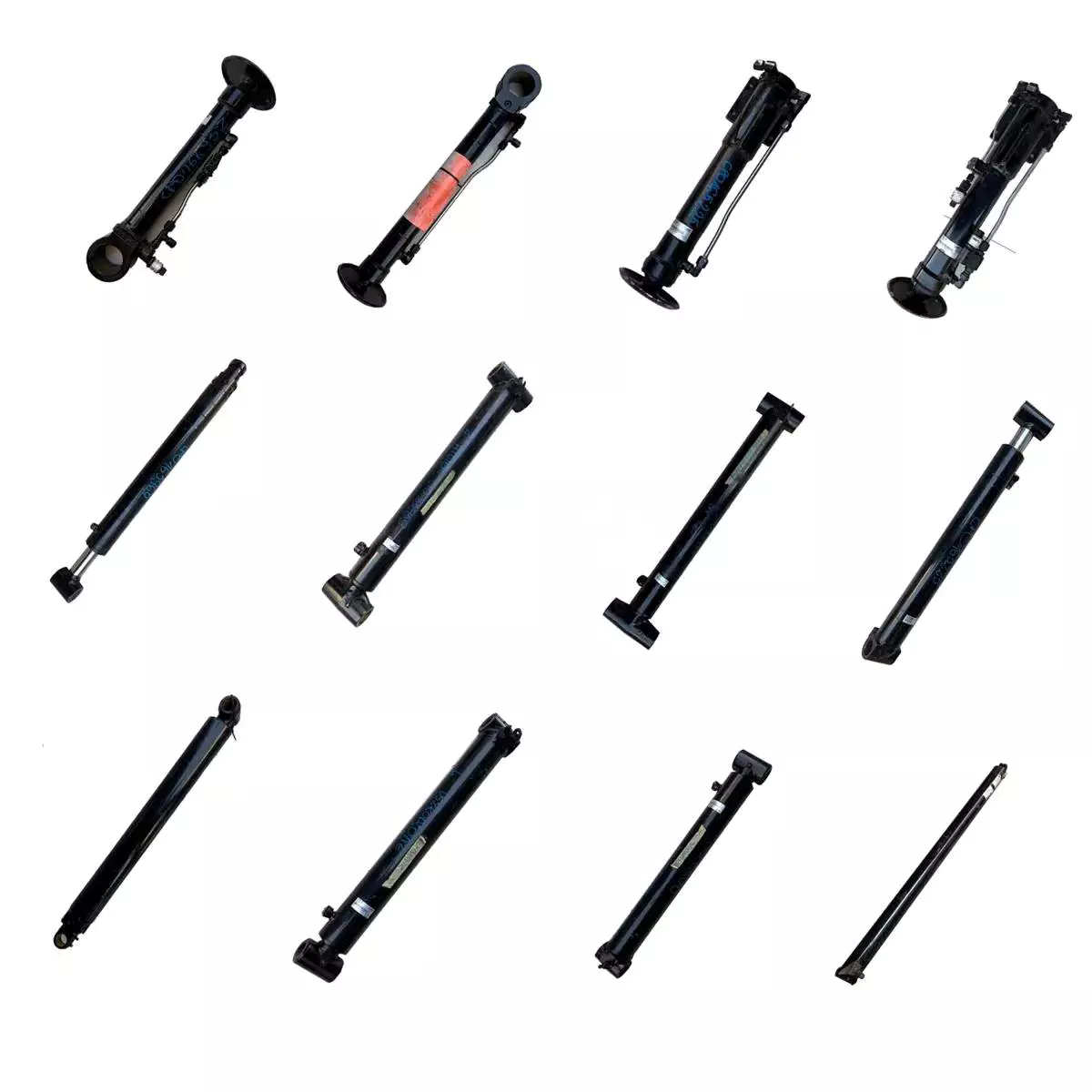
How do hydraulic cylinders handle the challenges of precise positioning and control?
Hydraulic cylinders are designed to handle the challenges of precise positioning and control with a combination of engineering principles and advanced control systems. These challenges often arise in applications where accurate and controlled movements are required, such as in industrial automation, construction, and material handling. Here’s a detailed explanation of how hydraulic cylinders overcome these challenges:
1. Fluid Power Control:
– Hydraulic cylinders utilize fluid power control to achieve precise positioning and control. The hydraulic system consists of a hydraulic pump, control valves, and hydraulic fluid. By regulating the flow of hydraulic fluid into and out of the cylinder, operators can control the speed, direction, and force exerted by the cylinder. The fluid power control allows for smooth and accurate movements, enabling precise positioning of the hydraulic cylinder and the attached load.
2. Control Valves:
– Control valves play a crucial role in handling the challenges of precise positioning and control. These valves are responsible for directing the flow of hydraulic fluid within the system. They can be manually operated or electronically controlled. Control valves allow operators to adjust the flow rate of the hydraulic fluid, controlling the speed of the cylinder’s movement. By modulating the flow, operators can achieve fine control over the positioning of the hydraulic cylinder, enabling precise and accurate movements.
3. Proportional Control:
– Hydraulic cylinders can be equipped with proportional control systems, which offer enhanced precision in positioning and control. Proportional control systems utilize electronic feedback and control algorithms to precisely regulate the flow and pressure of the hydraulic fluid. These systems provide accurate and proportional control over the movement of the hydraulic cylinder, allowing for precise positioning at various points along its stroke length. Proportional control enhances the cylinder’s ability to handle complex tasks that require precise movements and control.
4. Position Feedback Sensors:
– To achieve precise positioning, hydraulic cylinders often incorporate position feedback sensors. These sensors provide real-time information about the position of the cylinder’s piston rod. Common types of position feedback sensors include potentiometers, linear variable differential transformers (LVDTs), and magnetostrictive sensors. By continuously monitoring the position, the feedback sensors enable closed-loop control, allowing for accurate positioning and control of the hydraulic cylinder. The feedback information is used to adjust the flow of hydraulic fluid to achieve the desired position accurately.
5. Servo Control Systems:
– Advanced hydraulic systems employ servo control systems to handle the challenges of precise positioning and control. Servo control systems combine electronic control, position feedback sensors, and proportional control valves to achieve high levels of accuracy and responsiveness. The servo control system continuously compares the desired position with the actual position of the hydraulic cylinder and adjusts the flow of hydraulic fluid to minimize any positional error. This closed-loop control mechanism enables the hydraulic cylinder to maintain precise positioning and control, even under varying loads or external disturbances.
6. Integrated Automation:
– Hydraulic cylinders can be integrated into automated systems to achieve precise positioning and control. In such setups, the hydraulic cylinders are controlled by programmable logic controllers (PLCs) or other automation controllers. These controllers receive input signals from various sensors and use pre-programmed logic to command the hydraulic cylinder’s movements. The integration of hydraulic cylinders into automated systems allows for precise and repeatable positioning and control, enabling complex sequences of movements to be executed with high accuracy.
7. Advanced Control Algorithms:
– Advancements in control algorithms have also contributed to the precise positioning and control of hydraulic cylinders. These algorithms, such as PID (Proportional-Integral-Derivative) control, adaptive control, and model-based control, enable sophisticated control strategies to be implemented. These algorithms consider factors such as load variations, system dynamics, and environmental conditions to optimize the control of hydraulic cylinders. By employing advanced control algorithms, hydraulic cylinders can compensate for disturbances and achieve precise positioning and control over a wide range of operating conditions.
In summary, hydraulic cylinders overcome the challenges of precise positioning and control through the use of fluid power control, control valves, proportional control, position feedback sensors, servo control systems, integrated automation, and advanced control algorithms. By combining these elements, hydraulic cylinders can achieve accurate and controlled movements, enabling precise positioning and control in various applications. These capabilities are essential for industries that require high precision and repeatability in their operations, such as industrial automation, robotics, and material handling.
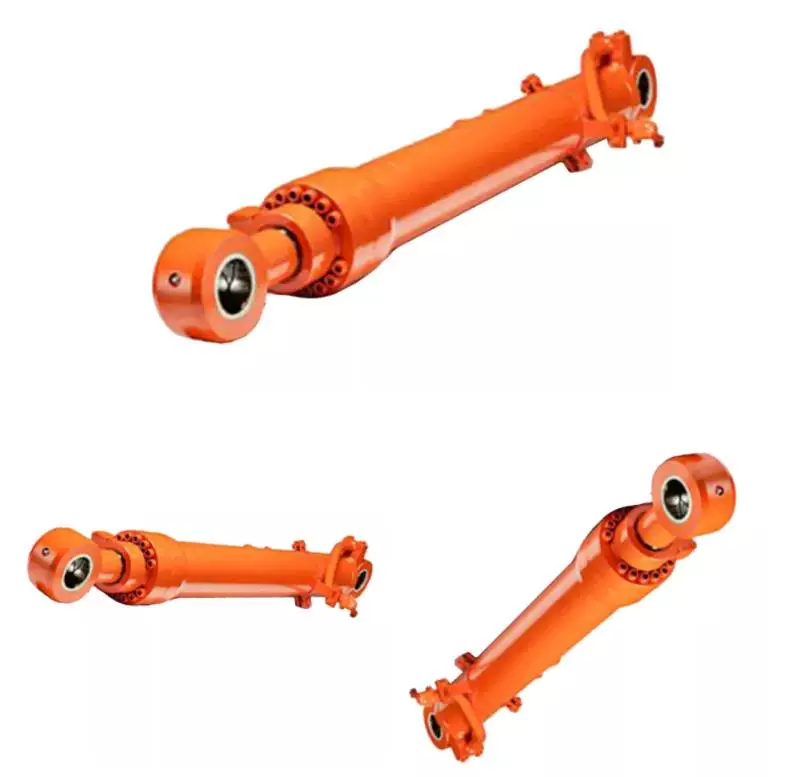
Handling the Challenges of Minimizing Fluid Leaks and Contamination in Hydraulic Cylinders
Hydraulic cylinders face challenges when it comes to minimizing fluid leaks and contamination, as these issues can impact the performance, reliability, and lifespan of the system. However, there are several measures and design considerations that help address these challenges effectively. Let’s explore how hydraulic cylinders handle the challenges of minimizing fluid leaks and contamination:
- Sealing Systems: Hydraulic cylinders employ advanced sealing systems to prevent fluid leaks. These systems typically include various types of seals, such as piston seals, rod seals, and wiper seals. The seals are designed to create a tight and reliable barrier between the moving components of the cylinder and the external environment, minimizing the risk of fluid leakage.
- Seal Material Selection: The choice of seal materials is crucial in minimizing fluid leaks and contamination. Hydraulic cylinder manufacturers carefully select seal materials that are compatible with the hydraulic fluid used and resistant to wear, abrasion, and chemical degradation. This ensures the longevity and effectiveness of the seals, reducing the likelihood of leaks or premature seal failure.
- Proper Installation and Maintenance: Ensuring proper installation and regular maintenance of hydraulic cylinders is essential for minimizing fluid leaks and contamination. During installation, attention should be given to proper alignment, torqueing of bolts, and adherence to recommended procedures. Regular maintenance includes inspecting seals, replacing worn-out components, and addressing any signs of leakage promptly. Proper maintenance practices help identify and rectify issues before they escalate and cause significant problems.
- Contamination Control: Hydraulic cylinders incorporate measures to control contamination and maintain fluid cleanliness. This includes the use of filtration systems, such as in-line filters, to remove particles and contaminants from the hydraulic fluid. Additionally, hydraulic reservoirs often have breathers and desiccant filters to prevent moisture and airborne contaminants from entering the system. By controlling contamination, hydraulic cylinders minimize the risk of damage to internal components and maintain optimal system performance.
- Environmental Protection: Hydraulic cylinders may be equipped with protective features to safeguard against external contaminants. For example, bellows or protective boots can be installed to shield the rod and seals from debris, dirt, or moisture present in the operating environment. These protective measures help extend the life of the seals and enhance the overall reliability of the hydraulic cylinder.
In summary, hydraulic cylinders employ sealing systems, appropriate seal materials, proper installation and maintenance practices, contamination control measures, and environmental protection features to handle the challenges of minimizing fluid leaks and contamination. By implementing these measures, manufacturers can ensure reliable and long-lasting hydraulic cylinder performance, minimize the risk of fluid leakage, and maintain the cleanliness of the hydraulic system.
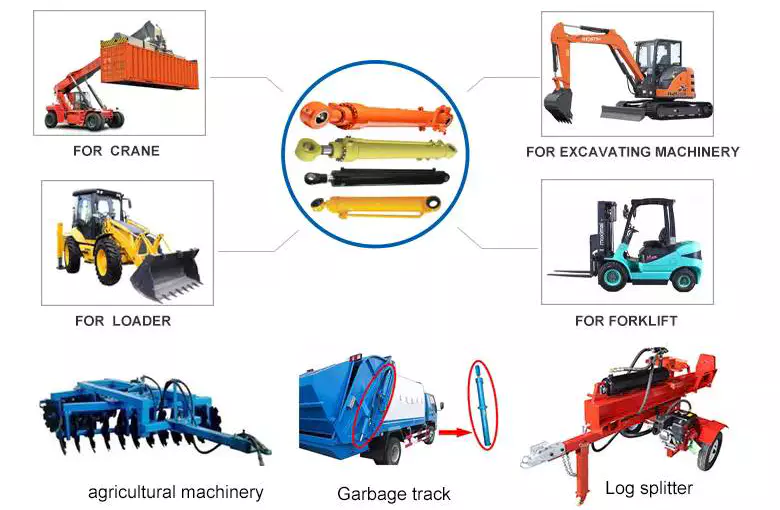
Which industries and machinery commonly use hydraulic cylinders for power transmission?
Hydraulic cylinders are widely used in various industries and machinery for power transmission due to their ability to generate high force, precise control, and reliable operation. They play a crucial role in converting hydraulic energy into mechanical force and motion. Here are the detailed industries and machinery that commonly utilize hydraulic cylinders for power transmission:
1. Construction and Heavy Equipment:
– Hydraulic cylinders are extensively used in the construction industry for tasks involving heavy lifting, pushing, and positioning. They are employed in cranes, excavators, loaders, bulldozers, and other heavy equipment to lift and move heavy loads, operate attachments, and manipulate construction materials. Hydraulic cylinders provide the necessary force and control for tasks such as lifting and lowering buckets, extending and retracting booms, and tilting blades.
2. Material Handling and Logistics:
– In material handling and logistics applications, hydraulic cylinders are vital components for the movement and manipulation of goods. They are used in forklifts, stackers, palletizers, and conveyor systems to lift, lower, and position loads with precision. Hydraulic cylinders enable the efficient transfer of heavy objects, facilitate stacking and sorting operations, and contribute to the smooth operation of material handling equipment.
3. Agriculture and Farming:
– The agricultural industry relies on hydraulic cylinders for various tasks in farming equipment. Tractors, harvesters, sprayers, and loaders utilize hydraulic cylinders to perform functions such as lifting and lowering implements, adjusting the position of attachments, and steering operations. Hydraulic cylinders enable efficient and precise control in tasks like plowing, tilling, harvesting, and baling, enhancing productivity and convenience in agricultural operations.
4. Mining and Extraction:
– Hydraulic cylinders are extensively utilized in the mining and extraction industry for their ability to handle heavy loads and operate in challenging environments. They are employed in mining equipment such as dump trucks, loaders, and excavators for tasks like ore extraction, rock breaking, and material transport. Hydraulic cylinders provide the force required for excavating, loading, and dumping operations, contributing to the efficiency and productivity of mining operations.
5. Manufacturing and Industrial Machinery:
– Hydraulic cylinders are an integral part of various manufacturing and industrial machinery. They are utilized in presses, stamping machines, injection molding machines, and metal forming equipment to apply force for shaping, bending, and pressing operations. Hydraulic cylinders enable precise control over the force and speed required for manufacturing processes, ensuring accurate and consistent results.
6. Automotive and Transportation:
– Hydraulic cylinders are employed in the automotive and transportation industry for a range of applications. They are used in vehicle lifting systems, such as car lifts and hydraulic jacks, for maintenance and repairs. Hydraulic cylinders are also utilized in bus doors, truck tailgates, and cargo handling systems to provide controlled movement and positioning. Additionally, hydraulic suspension systems in trucks, buses, and trailers use hydraulic cylinders for load leveling and stability.
7. Aerospace and Aviation:
– The aerospace and aviation industry relies on hydraulic cylinders for various applications, including aircraft landing gear, wing flaps, and flight control systems. Hydraulic cylinders provide the necessary force and precise control for extending and retracting landing gear, adjusting wing surfaces, and actuating control surfaces. They contribute to the safe and efficient operation of aircraft, ensuring reliable performance during takeoff, landing, and flight maneuvers.
8. Marine and Offshore:
– Hydraulic cylinders are utilized in marine and offshore equipment for a wide range of tasks. They are found in ship and boat steering systems, hatch covers, cranes, winches, and anchor handling equipment. Hydraulic cylinders enable precise control and powerful force transmission in maritime applications, supporting navigation, cargo handling, and offshore operations.
In summary, hydraulic cylinders are commonly used in industries such as construction, material handling, agriculture, mining, manufacturing, automotive, aerospace, marine, and more. They are integral components in machinery and equipment that require reliable power transmission, precise control, and the ability to handle heavy loads. The versatile nature of hydraulic cylinders allows them to be adapted to various applications, contributing to increased efficiency, productivity, and safety in numerous industries.


editor by CX 2023-12-01