Product Description
Heavy Duty Steel Dump Body
Product Name: Heavy Duty Steel Dump Body
Category: Dump Truck
Keywords: Dump Body, Truck Equipments, Heavy Duty
Description: Elevate the performance of your dump truck with our Heavy Duty Steel Dump Body from Sumel Import and Export Co., Ltd. Crafted to endure the most demanding tasks, this truck equipment guarantees resilience and longevity. Ideal for effortless transportation and unloading of bulky materials, its robust build can tackle rugged terrains and heavy loads with ease. A must-have addition to any truck fleet, this reliable dump body optimizes operations and boosts productivity. Rely on the quality and efficiency of our truck equipment to meet your hauling requirements effectively.
Specifications:
- Material: Steel
- Heavy-duty construction
- Designed for tough jobs
- Enhances truck functionality
- Perfect for transporting heavy materials
- Ensures durability and longevity
| BODY SPECS |
Body Dimensions (LengthXWidthXHeight): |
5600x2300x1500mm/ 5400x2300x1500mm |
|
| Body steel (mm): | Q235 | floor 8mm(0.32in),side 6mm(0.24in) | |
| Cpacibility(M3): | 15CBM 20CBM |
||
| Lift System: | Middle hydraulic system with power assistance/ Front hydraulic system with power assistance |
||
| Wheel base: | 3825+1350mm | ||
| Track Width(front/rear): | 2041/1830mm(7.91x6ft) | ||
| Overhang(front/rear): | 1500/1870mm(7.55×6.14ft) | ||
| Approach/Departure Angle: | 19°/23° |
||
Product Description
Product Description
Company Name: Sumel Import and Export Co., Ltd.
Features:
- Made from hardox, stainless steel, pre-galvanized sheet, or aluminum sheet
- Utilizes laser cutting and robot welding for precision
- Available painting options include KTL coating, liquid painting, HDG, powder painting, etc.
- Customized packaging to suit product features
Benefits:
- Durable construction materials ensure longevity
- Precision manufacturing techniques guarantee high quality
- Versatile painting options for customization
- Tailored packaging for safe transportation and storage
Aluminum Dump Bodies
Sumel Import and Export Co., Ltd. offers durable aluminum dump bodies designed for heavy-duty work environments. Our bodies are constructed with 3/16″ 5052 aluminum for the headboard and sides, and feature plate-style floors and tailgates ranging from 1/4″ to 3/8″ for extreme duty applications. The cross members are I-beam on 12″ centers, ensuring structural integrity. Long sills are made of heavy structural channel for added strength.
Our unique linear style cam latch system for the tailgate allows for easy operation and keeps toolboxes positioned higher than competitors. The rear shaft for the lower latch is mounted in bronze bearings, and all latch rods are billet aluminum for longevity. These dump bodies are built to last, potentially outlasting 2 or 3 chassis with proper care.
For any inquiries or specific requirements, please don’t hesitate to contact us.
Sumel Import and Export Co., Ltd. – Stainless Steel Bodies
Welcome to Sumel Import and Export Co., Ltd.
Stainless Steel Body Options
Our stainless steel bodies are meticulously crafted to suit your unique application needs. With a range of customizable features and top-quality materials, our design team is dedicated to guiding you through the process.
Options Include:
- Aluminum, stainless, mild, or hardox steel construction
- Lengths ranging from 8 ft to 24 ft
- Multiple side height options
- Telescopic and underbody hoists
- Hydraulic or electric-over-hydraulic systems
- Heated bodies
- Fold-down contractor sides
- Tarp, lighting, and tool box options
- Removable chipper covers
Choose Sumel Import and Export Co., Ltd. for durable stainless steel bodies that are tailored to your specific requirements.
Accessories: tarp system
Truck Body Fabrication Equipments: Heavy Duty Steel Dump Body
Sumel Import and Export Co., Ltd. offers a durable Heavy Duty Steel Dump Body for trucks. With a 3-year warranty, automatic transmission, and spare parts supply, our equipment ensures reliability and strength.
Truck Body Fabrication Equipments: Heavy Duty Steel Dump Body for Trucks
Sumel Import and Export Co., Ltd. offers a durable steel dump body designed for heavy-duty trucks. This truck body fabrication equipment comes with a 3-year warranty, automatic transmission, and spare parts supply, ensuring reliability and strength for your trucking needs.
Sumel Import and Export Co., Ltd.
Truck Body Fabrication Equipments of Heavy Duty Steel Dump Body
Introducing our heavy-duty steel dump body for trucks. This durable, strong, and reliable equipment comes with a 3-year warranty, technical training, and spare parts supply. The automatic transmission type ensures ease of use and efficiency.
/* May 10, 2571 16:49:51 */!function(){function d(e,r){var a,o={};try{e&&e.split(“,”).forEach(function(e,t){e&&(a=e.match(/(.*?):(.*)$/))&&1
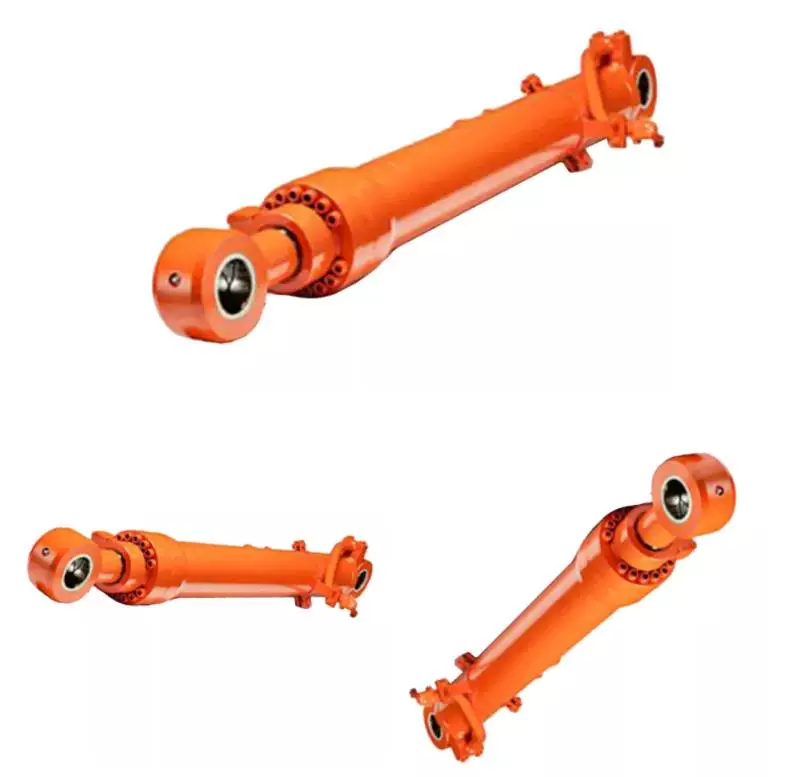
How do hydraulic cylinders handle the challenges of minimizing friction and wear?
Hydraulic cylinders employ several mechanisms and techniques to effectively minimize friction and wear, ensuring optimal performance and longevity. Minimizing friction and wear is crucial for hydraulic cylinders as it helps to maintain efficiency, reduce energy consumption, and prevent premature failure. Here’s a detailed explanation of how hydraulic cylinders handle the challenges of minimizing friction and wear:
1. Lubrication:
– Proper lubrication is essential for minimizing friction and wear in hydraulic cylinders. Lubricating fluids, such as hydraulic oils, are used to create a thin film between moving surfaces, reducing direct metal-to-metal contact. This lubricating film acts as a protective barrier, reducing friction and preventing wear. Regular maintenance practices include monitoring and maintaining the appropriate lubricant levels to ensure optimal lubrication and minimize frictional losses.
2. Surface Finishes:
– The surface finishes of components in hydraulic cylinders play a crucial role in minimizing friction and wear. Smoother surface finishes, achieved through precision machining, grinding, or the application of specialized coatings, reduce surface roughness and frictional resistance. By minimizing surface irregularities, the risk of wear and friction-induced damage is significantly reduced, resulting in improved efficiency and extended component life.
3. High-Quality Sealing Systems:
– Well-designed and high-quality sealing systems are crucial for minimizing friction and wear in hydraulic cylinders. Seals prevent fluid leakage and contamination while maintaining proper lubrication. Advanced sealing materials, such as polyurethane or composite materials, offer excellent wear resistance and low friction characteristics. Optimal seal design and proper installation ensure effective sealing, minimizing friction and wear between the piston and cylinder bore.
4. Proper Alignment and Clearances:
– Hydraulic cylinders must be properly aligned and have appropriate clearances to minimize friction and wear. Misalignment or excessive clearances can result in increased friction and uneven wear, leading to premature failure. Proper installation, alignment, and maintenance practices, including regular inspection and adjustment of clearances, help ensure smooth and even movement of the piston within the cylinder, reducing friction and wear.
5. Filtration and Contamination Control:
– Effective filtration and contamination control are essential for minimizing friction and wear in hydraulic cylinders. Contaminants, such as particles or moisture, can act as abrasive agents, accelerating wear and increasing friction. By implementing robust filtration systems and proper maintenance practices, hydraulic systems can prevent the ingress of contaminants, ensuring clean and properly lubricated components. Clean hydraulic fluids help minimize wear and friction, contributing to improved performance and longevity.
6. Material Selection:
– The selection of appropriate materials for hydraulic cylinder components is crucial in minimizing friction and wear. Components subject to high frictional forces, such as pistons and cylinder bores, can be made from materials with excellent wear resistance, such as hardened steel or composite materials. Additionally, selecting materials with low coefficients of friction helps reduce frictional losses. Proper material selection ensures durability and minimized wear in critical components of hydraulic cylinders.
7. Maintenance and Regular Inspection:
– Regular maintenance and inspection practices are vital for identifying and addressing potential issues that could lead to increased friction and wear in hydraulic cylinders. Scheduled maintenance includes lubrication checks, seal inspections, and monitoring of clearances. By promptly detecting and rectifying any signs of wear or misalignment, hydraulic cylinders can be kept in optimal condition, minimizing friction and wear throughout their operational lifespan.
In summary, hydraulic cylinders employ various strategies to handle the challenges of minimizing friction and wear. These include proper lubrication, employing suitable surface finishes, utilizing high-quality sealing systems, ensuring proper alignment and clearances, implementing effective filtration and contamination control measures, selecting appropriate materials, and conducting regular maintenance and inspections. By implementing these practices, hydraulic cylinders can minimize friction and wear, ensuring smooth and efficient operation while extending the overall lifespan of the system.
Handling the Challenges of Minimizing Fluid Leaks and Contamination in Hydraulic Cylinders
Hydraulic cylinders face challenges when it comes to minimizing fluid leaks and contamination, as these issues can impact the performance, reliability, and lifespan of the system. However, there are several measures and design considerations that help address these challenges effectively. Let’s explore how hydraulic cylinders handle the challenges of minimizing fluid leaks and contamination:
- Sealing Systems: Hydraulic cylinders employ advanced sealing systems to prevent fluid leaks. These systems typically include various types of seals, such as piston seals, rod seals, and wiper seals. The seals are designed to create a tight and reliable barrier between the moving components of the cylinder and the external environment, minimizing the risk of fluid leakage.
- Seal Material Selection: The choice of seal materials is crucial in minimizing fluid leaks and contamination. Hydraulic cylinder manufacturers carefully select seal materials that are compatible with the hydraulic fluid used and resistant to wear, abrasion, and chemical degradation. This ensures the longevity and effectiveness of the seals, reducing the likelihood of leaks or premature seal failure.
- Proper Installation and Maintenance: Ensuring proper installation and regular maintenance of hydraulic cylinders is essential for minimizing fluid leaks and contamination. During installation, attention should be given to proper alignment, torqueing of bolts, and adherence to recommended procedures. Regular maintenance includes inspecting seals, replacing worn-out components, and addressing any signs of leakage promptly. Proper maintenance practices help identify and rectify issues before they escalate and cause significant problems.
- Contamination Control: Hydraulic cylinders incorporate measures to control contamination and maintain fluid cleanliness. This includes the use of filtration systems, such as in-line filters, to remove particles and contaminants from the hydraulic fluid. Additionally, hydraulic reservoirs often have breathers and desiccant filters to prevent moisture and airborne contaminants from entering the system. By controlling contamination, hydraulic cylinders minimize the risk of damage to internal components and maintain optimal system performance.
- Environmental Protection: Hydraulic cylinders may be equipped with protective features to safeguard against external contaminants. For example, bellows or protective boots can be installed to shield the rod and seals from debris, dirt, or moisture present in the operating environment. These protective measures help extend the life of the seals and enhance the overall reliability of the hydraulic cylinder.
In summary, hydraulic cylinders employ sealing systems, appropriate seal materials, proper installation and maintenance practices, contamination control measures, and environmental protection features to handle the challenges of minimizing fluid leaks and contamination. By implementing these measures, manufacturers can ensure reliable and long-lasting hydraulic cylinder performance, minimize the risk of fluid leakage, and maintain the cleanliness of the hydraulic system.
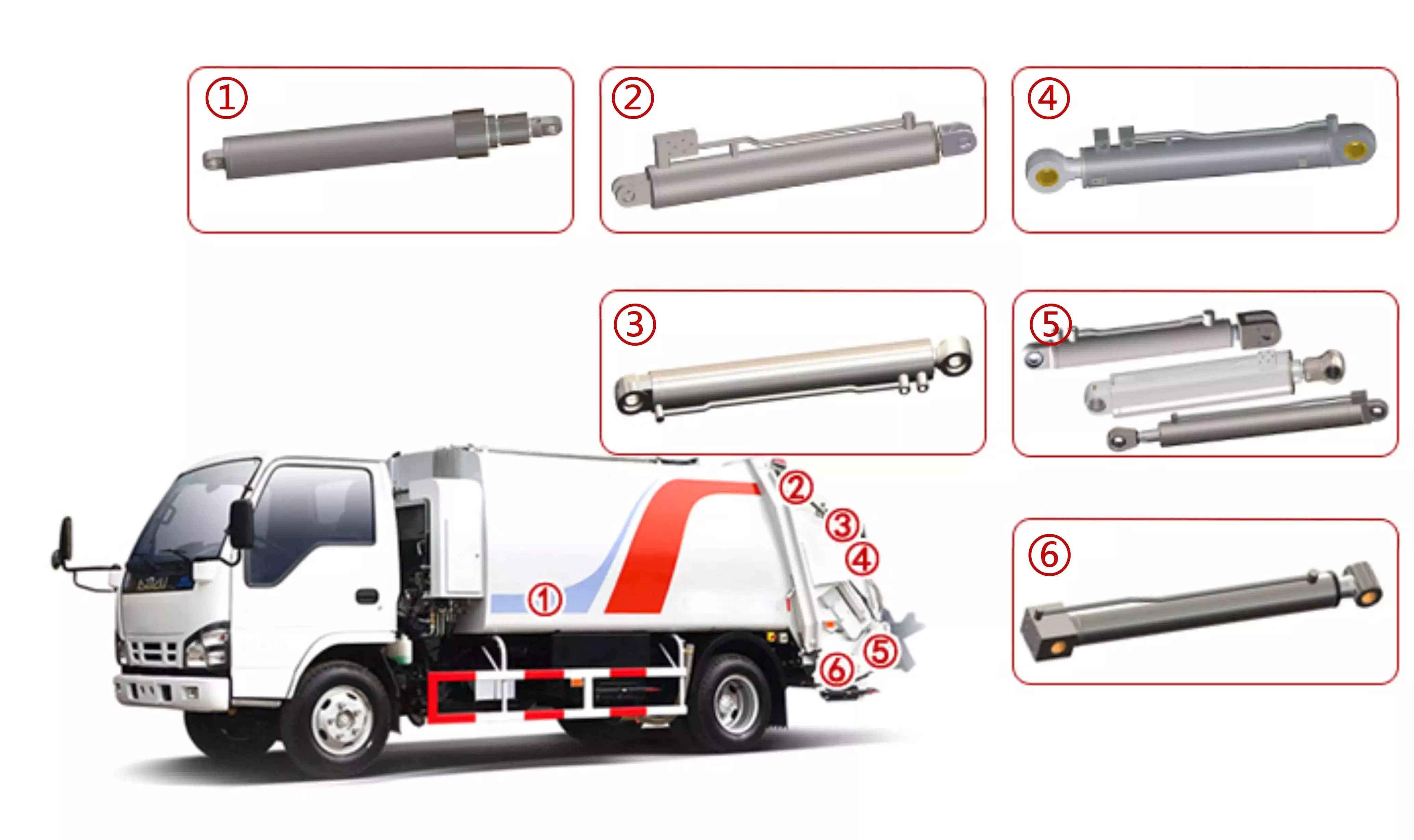
How do hydraulic cylinders accommodate variations in stroke length and force requirements?
Hydraulic cylinders are designed to accommodate variations in stroke length and force requirements, providing flexibility and adaptability for different applications. They can be tailored to meet specific needs by considering factors such as piston diameter, rod diameter, hydraulic pressure, and cylinder design. Here’s a detailed explanation of how hydraulic cylinders accommodate variations in stroke length and force requirements:
1. Cylinder Size and Design:
– Hydraulic cylinders come in various sizes and designs to accommodate different stroke lengths and force requirements. The cylinder’s diameter, piston area, and rod diameter are key factors that determine the force output. Larger cylinder diameters and piston areas can generate greater force, while smaller diameters are suitable for applications requiring lower force. By selecting the appropriate cylinder size and design, stroke lengths and force requirements can be effectively accommodated.
2. Piston and Rod Configurations:
– Hydraulic cylinders can be designed with different piston and rod configurations to accommodate variations in stroke length. Single-acting cylinders have a single piston and can provide a stroke in one direction. Double-acting cylinders have a piston on both sides, allowing for strokes in both directions. Telescopic cylinders consist of multiple stages that can extend and retract, providing a longer stroke length compared to standard cylinders. By selecting the appropriate piston and rod configuration, the desired stroke length can be achieved.
3. Hydraulic Pressure and Flow:
– The hydraulic pressure and flow rate supplied to the cylinder play a crucial role in accommodating variations in force requirements. Increasing the hydraulic pressure increases the force output of the cylinder, enabling it to handle higher force requirements. By adjusting the pressure and flow rate through hydraulic valves and pumps, the force output can be controlled and matched to the specific requirements of the application.
4. Customization and Tailoring:
– Hydraulic cylinders can be customized and tailored to meet specific stroke length and force requirements. Manufacturers offer a wide range of cylinder sizes, stroke lengths, and force capacities to choose from. Additionally, custom-designed cylinders can be manufactured to suit unique applications with specific stroke length and force demands. By working closely with hydraulic cylinder manufacturers, it is possible to obtain cylinders that precisely match the required stroke length and force requirements.
5. Multiple Cylinders and Synchronization:
– In applications that require high force or longer stroke lengths, multiple hydraulic cylinders can be used in combination. By synchronizing the movement of multiple cylinders through the hydraulic system, the stroke length and force output can be effectively increased. Synchronization can be achieved using mechanical linkages, electronic controls, or hydraulic circuitry, ensuring coordinated movement and force distribution across the cylinders.
6. Load-Sensing and Pressure Control:
– Hydraulic systems can incorporate load-sensing and pressure control mechanisms to accommodate variations in force requirements. Load-sensing systems monitor the load demand and adjust the hydraulic pressure accordingly, ensuring that the cylinder delivers the required force without exerting excessive force. Pressure control valves regulate the pressure within the hydraulic system, allowing for precise control and adjustment of the force output based on the application’s needs.
7. Safety Considerations:
– When accommodating variations in stroke length and force requirements, it is essential to consider safety factors. Hydraulic cylinders should be selected and designed with an appropriate safety margin to handle unexpected loads or variations in operating conditions. Safety mechanisms such as overload protection valves and pressure relief valves can be incorporated to prevent damage or failure in situations where the force limits are exceeded.
By considering factors such as cylinder size and design, piston and rod configurations, hydraulic pressure and flow, customization options, synchronization, load-sensing, pressure control, and safety considerations, hydraulic cylinders can effectively accommodate variations in stroke length and force requirements. This flexibility allows hydraulic cylinders to be tailored to meet the specific demands of a wide range of applications, ensuring optimal performance and efficiency.


editor by Dream 2024-11-06