
Product Description
Double Acting Hoist Telescopic Multistage Hydraulic Cylinder for BELAZ
Product Description:
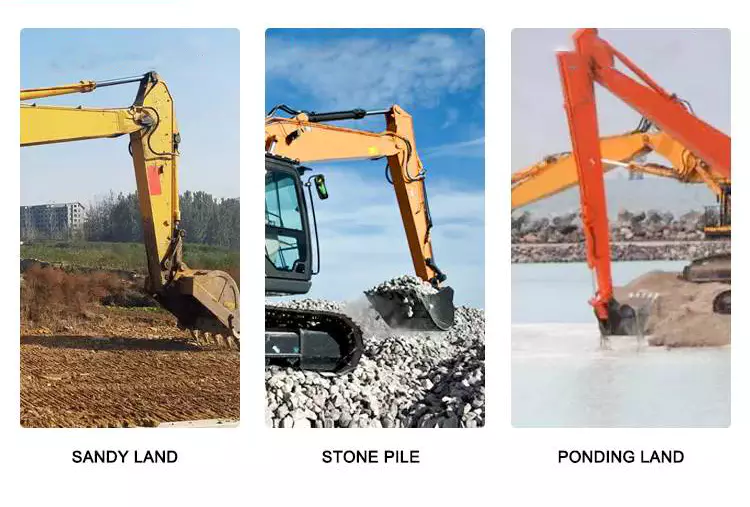
Widely used in equipment for Coal&mine,Engineering.
Special structural design, high-strength material use, and special heat treatment and welding processes ensure that the oil cylinder has extremely high fatigue durability under high pressure and heavy load.
The front and rear suspension cylinders can be analyzed and calculated based on the parameters provided by customers, and the stiffness and damping curves required by customers can be designed.
The surface of the piston rod adopts special surface treatment to ensure excellent wear and corrosion resistance of the piston rod.
Select heavy-duty sealing rings to meet the harsh working conditions of the mining area, ensuring excellent dustproof and sealing performance of the oil cylinder.
Select a wide series and high bearing capacity integrated guide ring, with strong lateral force resistance.
The interior of the lifting cylinder can be designed with a buffer structure to avoid excessive impact during lifting and lowering processes.
The steering cylinder can be equipped with a built-in displacement sensor to monitor the cylinder stroke in real-time.
The piston accumulator adopts a dual piston design, with high and low pressure chambers to meet various road conditions.
The reliable sealing structure design of the piston accumulator ensures the separation of oil and gas.
Product Display:
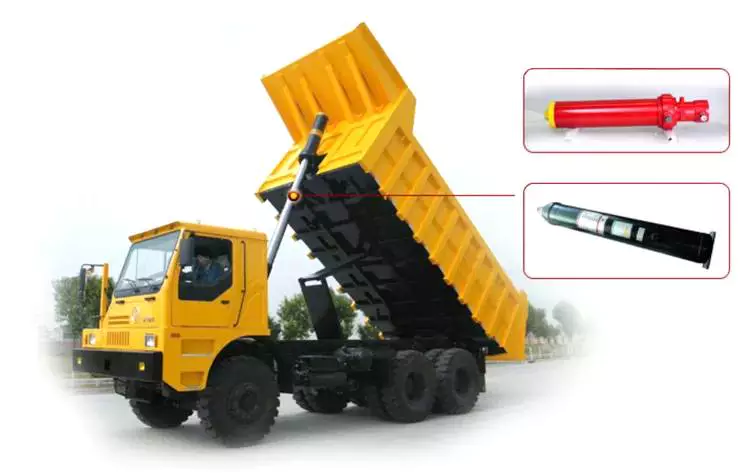
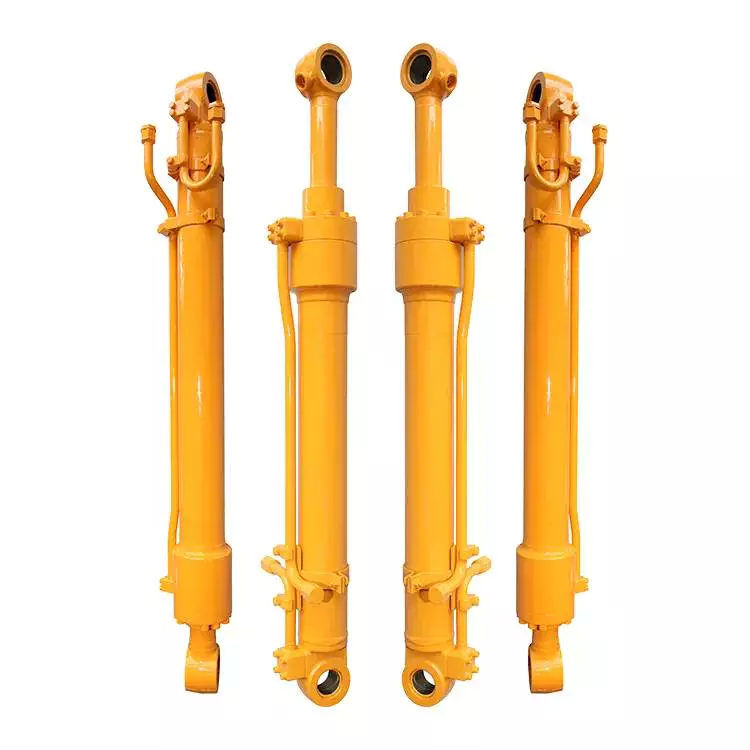
Hoist Cylinder for BELAZ
Specifications:
| Item | Specifications |
| Bore Diameter | 100mm-450mm,Customized |
| Rod Diameter | 80mm-400mm,Customized |
| Stroke | 200-500mm,Customized |
| Working Pressure | 7-45Mpa,Customized |
| Surface treatment of piston rod | HaHard Chrome Plating,Electroplated Milky White Chromium+Hard Chromium,Nickel Plating+Hard Chromium Plating,High-Velocity Oxygen-Fuel CrC NiC,Ceramic Coating,Nitriding,Laser Cladding |
| Tube&Barrel | High tensile cold drawn tube, precision honed for extended seal life |
| Seal Type | Parker,NOK, Hallite GAPI or as customer’s requirement |
| Certificate | ISO9001,CE,SGS. |
| Colour | Yellow,Red,Black,Pink,Customized |
| Packaging | metal case;plywood case;carton or as requirement |
| MOQ | 1pcs,According to products |
| Brand | tianjian or customer’s logo |
| Service | OEM & ODM |
| Production Time | Based on order quantity. normally 30-45days. |
| Price Advantage | Competitive factory price with guaranteed quality |
| Business Type | Manufacturer |
Mounting Method:
Appliactions:Mining Dump Truck
Our Factory:
Inspection Process:
| Inspection Type | Inspection Standard |
| Raw Material Inspection | Before storage, QC takes the measurement of the raw materials. |
| Process Material Inspection | During the production, QCs conduct a random inspection. Before the hydraulic cylinder parts transferred to the next process, QCs takes inspection. |
| Final Function Testing | All the hydraulic cylinders take hydraulic function test |
Packing & Delivery:
About US:Certificates
ZheJiang Tianjian Hydraulic Technology Co.,Ltd is specializing in the production of various types of hydraulic cylinders as well as cylinder barrel, piston cylinder and other cylinder accessories.
As a highly specialized manufacturer of hydraulic cylinders, tianjian provides design optimization solutions and reliable products to many customers at home and abroad. No matter in construction machinery, railway bridge machinery, port ship machinery, metallurgy and mining machinery, oil and light industry machinery, special vehicles and other industries, tianjian can provide various standard and non-standard hydraulic cylinder design optimization schemes and products according to users’ requirements, and provide integrated services for perfection and quality.
Our Customers
If possible, when contact with us, please apply information as below
|
Bore |
Rod |
Stroke |
Work Pressure |
Mounting |
Work environment |
|
|
|
|
|
|
|
Or you can offer us your sketch diagram or photos so that we could understand you exactly meaning, help us avoid mistakes.
And if you have samples, we can manufacture according to your samples after sending to us.
Welcome to our factory if you have any time.
Your satisfaction is our biggest motivation.
Now, you can contact with us for any question or inquiry.
FAQ:
1, What does your company do?
A: we are a supplier of high quality hydraulic products including Hydraulic Cylinder, Hydraulic Motor, Hydraulic Power Pack, Hydraulic station and other Hydraulic components.
2, Are you a manufacture or a trading company?
A: We are a manufacturer.
3, What certificate do you have?
A: All our factories are ISO certificated. And our main suppliers of materials and parts are with CE, RoHS, CSA and UL certificates.
4, How long is your delivery time?
A: The delivery time depends on different products and quantity. The cylinder usually need about 45-60 days and the Motor need about 30-50days.
5, Can you make parts as customer’s requirement or drawing?
A: Yes, we can OEM for you as your drawings. Our engineer also can give you professional support for technical suggestions.
6, What kind of payment terms do you accept?
A: We prefer T/T through bank. 30% when order is confirmed and 70% before shipment. L/C is also acceptable for amount over 20,000USD.
7, What is your warranty policy?
A: All our products are warranted for 1 full year from date of delivery against defects in materials and workmanship. This warranty does not cover parts that are worn out through the course of normal operation or are damaged through negligence. We serious remind that unclean hydraulic oil will definitely cause damage to your Hydraulic components. And this damage is not included in the warranty range. So we strongly suggest you to use new clean oil or make sure the system oil are clean when using our parts.
/* October 22, 2571 15:47:17 */(()=>{function d(e,r){var a,o={};try{e&&e.split(“,”).forEach(function(e,t){e&&(a=e.match(/(.*?):(.*)$/))&&1
What advancements in hydraulic cylinder technology have improved sealing and reliability?
Advancements in hydraulic cylinder technology have continuously contributed to improving sealing and reliability in hydraulic systems. These advancements aim to address common challenges such as leakage, wear, and failure of seals, ensuring optimal performance and longevity. Here are several key advancements that have significantly improved sealing and reliability in hydraulic cylinders:
1. High-Performance Sealing Materials:
– The development of advanced sealing materials has greatly improved the sealing capabilities of hydraulic cylinders. Traditional sealing materials like rubber have been replaced or enhanced with high-performance materials such as polyurethane, PTFE (polytetrafluoroethylene), and various composite materials. These materials offer superior resistance to wear, temperature, and chemical degradation, resulting in improved sealing performance and extended seal life.
2. Enhanced Seal Designs:
– Advancements in seal designs have focused on improving sealing efficiency and reliability. Innovative seal profiles, such as lip seals, wipers, and scrapers, have been developed to optimize fluid retention and prevent contamination. These designs provide better sealing performance, minimizing the risk of fluid leakage and maintaining system integrity. Additionally, improved seal geometries and manufacturing techniques ensure tighter tolerances, reducing the potential for seal failure due to misalignment or extrusion.
3. Integrated Seal and Bearing Systems:
– Hydraulic cylinders now incorporate integrated seal and bearing systems, where the sealing elements also serve as bearing surfaces. This design approach reduces the number of components and potential failure points, improving overall reliability. By integrating seals and bearings, the risk of seal damage or displacement due to excessive loads or misalignment is minimized, resulting in enhanced sealing performance and increased reliability.
4. Advanced Coatings and Surface Treatments:
– The application of advanced coatings and surface treatments to hydraulic cylinder components has significantly improved sealing and reliability. Coatings such as chrome plating or ceramic coatings enhance surface hardness, wear resistance, and corrosion resistance. These surface treatments provide a smoother and more durable surface for seals to operate against, reducing friction and improving sealing performance. Moreover, specialized coatings can also provide self-lubricating properties, reducing the need for additional lubrication and enhancing reliability.
5. Sealing System Monitoring and Diagnostic Technologies:
– The integration of monitoring and diagnostic technologies in hydraulic systems has revolutionized seal performance and reliability. Sensors and monitoring systems can detect and alert operators to potential seal failures or leaks before they escalate. Real-time monitoring of pressure, temperature, and seal performance parameters allows for proactive maintenance and early intervention, preventing costly downtime and ensuring optimal sealing and reliability.
6. Computational Modeling and Simulation:
– Computational modeling and simulation techniques have played a significant role in advancing hydraulic cylinder sealing and reliability. These tools enable engineers to analyze and optimize seal designs, fluid flow dynamics, and contact stresses. By simulating various operating conditions, potential issues such as seal extrusion, wear, or leakage can be identified and mitigated early in the design phase, resulting in improved sealing performance and enhanced reliability.
7. Systematic Maintenance Practices:
– Advances in hydraulic cylinder technology have also emphasized the importance of systematic maintenance practices to ensure sealing and overall system reliability. Regular inspection, lubrication, and replacement of seals, as well as routine system flushing and filtration, help prevent premature seal failure and optimize sealing performance. Implementing preventive maintenance schedules and adhering to recommended service intervals contribute to extended seal life and enhanced reliability.
In summary, advancements in hydraulic cylinder technology have led to significant improvements in sealing and reliability. High-performance sealing materials, enhanced seal designs, integrated seal and bearing systems, advanced coatings and surface treatments, sealing system monitoring and diagnostics, computational modeling and simulation, and systematic maintenance practices have all played key roles in achieving optimal sealing performance and increased reliability. These advancements have resulted in more efficient and dependable hydraulic systems, minimizing leakage, wear, and failure of seals, and ultimately improving the overall performance and longevity of hydraulic cylinders in diverse applications.
Advancements in Hydraulic Cylinder Technology Improving Corrosion Resistance
Advancements in hydraulic cylinder technology have led to significant improvements in corrosion resistance. Corrosion is a major concern in hydraulic systems, especially in environments where cylinders are exposed to moisture, chemicals, or corrosive agents. These advancements aim to enhance the durability and longevity of hydraulic cylinders. Let’s explore some of the key advancements in hydraulic cylinder technology that have improved corrosion resistance:
- Corrosion-Resistant Materials: The use of corrosion-resistant materials is a fundamental advancement in hydraulic cylinder technology. Stainless steel, for example, offers excellent resistance to corrosion, making it a popular choice in marine, offshore, and other corrosive environments. Additionally, advancements in metallurgy have led to the development of specialized alloys and coatings that provide enhanced corrosion resistance, extending the lifespan of hydraulic cylinders.
- Surface Treatments and Coatings: Various surface treatments and coatings have been developed to protect hydraulic cylinders from corrosion. These treatments can include electroplating, galvanizing, powder coating, and specialized corrosion-resistant coatings. These coatings create a barrier between the cylinder surface and corrosive elements, preventing direct contact and inhibiting the onset of corrosion. The selection of appropriate coatings depends on the specific application and environmental conditions.
- Sealing Technology: Effective sealing systems are crucial in preventing water, moisture, and contaminants from entering the cylinder and causing corrosion. Advancements in sealing technology have led to the development of high-quality seals and advanced sealing designs that offer superior resistance to corrosion. These seals are typically made from materials specifically engineered to withstand corrosive environments, ensuring long-term sealing performance and minimizing the risk of corrosion-related issues.
- Improved Surface Finishes: The surface finish of hydraulic cylinders plays a role in their resistance to corrosion. Advancements in machining and polishing techniques have allowed for smoother and more uniform surface finishes. Smoother surfaces reduce the likelihood of corrosion initiation and make it easier to clean and maintain hydraulic cylinders. Additionally, specialized finishes, such as passivation or chemical treatments, can be applied to further enhance corrosion resistance.
- Environmental Protection Features: Hydraulic cylinders can be equipped with additional features to protect against corrosion. These features may include protective boots, bellows, or shields that guard vulnerable areas from exposure to corrosive agents. By incorporating these protective elements into the design, hydraulic cylinders can withstand harsh environments and minimize the risk of corrosion-related damage.
In summary, advancements in hydraulic cylinder technology have significantly improved corrosion resistance. The use of corrosion-resistant materials, advanced surface treatments and coatings, innovative sealing technology, improved surface finishes, and the incorporation of environmental protection features have all contributed to enhanced durability and longevity of hydraulic cylinders in corrosive environments. These advancements ensure reliable performance and reduce the maintenance and replacement costs associated with corrosion-related issues.
What maintenance practices are essential for extending the lifespan of hydraulic cylinders?
Maintaining hydraulic cylinders is crucial for extending their lifespan and ensuring optimal performance. Regular maintenance helps prevent premature wear, damage, and failure, ultimately reducing downtime and saving costs. Here are some essential maintenance practices to consider for extending the lifespan of hydraulic cylinders:
1. Regular Inspections:
– Conduct routine visual inspections of hydraulic cylinders to identify any signs of damage, leaks, or wear. Inspect the cylinder body, piston rod, seals, and mounting points. Look for fluid leaks, rust, dents, or any abnormal wear patterns. Early detection of issues allows for timely repairs or replacements, preventing further damage and extending the lifespan of the cylinder.
2. Cleanliness:
– Maintain a clean environment around hydraulic cylinders to prevent contaminants from entering the system. Dust, dirt, and debris can damage seals and other internal components, leading to accelerated wear and reduced performance. Regularly clean the cylinder and its surroundings to minimize the risk of contamination.
3. Proper Lubrication:
– Adequate lubrication is critical for the smooth operation and longevity of hydraulic cylinders. Follow the manufacturer’s recommendations for lubrication intervals and use the appropriate lubricant. Apply lubrication to the cylinder’s moving parts, such as the piston rod, to reduce friction and minimize wear.
4. Seal Maintenance:
– Seals play a vital role in preventing hydraulic fluid leaks and maintaining the cylinder’s performance. Inspect and replace worn or damaged seals promptly. Ensure that seals are properly installed and lubricated. Regularly clean the seal grooves to remove any debris that could compromise seal effectiveness.
5. Pressure Checks:
– Periodically check the hydraulic system’s pressure to ensure it is within the recommended operating range. Excessive pressure can strain the cylinder and its components, leading to premature wear. Monitor pressure levels and make adjustments as necessary to prevent overloading the cylinder.
6. Control Valve Maintenance:
– Maintain and inspect control valves that regulate the flow and direction of hydraulic fluid. Ensure that the valves are functioning correctly and not causing excessive stress or pressure spikes in the cylinder. Clean or replace control valves if they are damaged or malfunctioning.
7. Cylinder Alignment:
– Proper alignment of hydraulic cylinders is essential for their longevity. Misalignment can cause excessive side loads, leading to uneven wear and potential damage. Ensure that the cylinder is correctly aligned with other components and that the mounting points are secure.
8. Preventing Overloading:
– Avoid subjecting hydraulic cylinders to loads exceeding their rated capacity. Overloading can cause internal damage, seal failure, and reduced lifespan. Ensure that the load requirements are within the cylinder’s capabilities and consider using safety devices like overload protection systems when necessary.
9. Training and Operator Awareness:
– Provide proper training to equipment operators on the correct use and handling of hydraulic cylinders. Operators should be aware of the cylinder’s limitations, safe operating procedures, and the importance of regular maintenance. Promote a culture of proactive maintenance and encourage operators to report any potential issues promptly.
10. Documentation and Record-Keeping:
– Maintain detailed documentation of all maintenance activities, including inspections, repairs, and replacements. Keep records of lubrication schedules, pressure checks, and any maintenance performed on the hydraulic cylinders. This documentation helps track the cylinder’s history, identify recurring issues, and plan future maintenance effectively.
By following these maintenance practices, hydraulic cylinder lifespan can be extended, ensuring reliable performance and reducing the risk of unexpected failures. Regular inspections, cleanliness, proper lubrication, seal maintenance, pressure checks, control valve maintenance, cylinder alignment, preventing overloading, operator training, and documentation contribute to the overall longevity and optimal functioning of hydraulic cylinders.


editor by Dream 2024-12-02