Product Description
TPED/CE/EN/ISO/DOT/BV/SGS 2L/5L/7L/8L/10L/14L/20L small portable seamless steel gas cylinders filled with oxygen gas,co2 gas, argon gas,helium gas,mixture gas.etc.
| Type | (mm) Outside Diameter |
(L) Water Capacity |
(mm) () Height (Withoutvalve) |
(Kg) (,) Weight(Without valve,cap) |
(Mpa) Working Pressure |
(mm) Design Wall Thickness |
Material Grades |
| ISO102-1.8-150 | 102 | 1.8 | 325 | 3.5 | 150 | 3 | 37Mn |
| ISO102-3-150 | 3 | 498 | 5.2 | ||||
| ISO102-3.4-150 | 3.4 | 555 | 5.7 | ||||
| ISO102-4.4-150 | 4.4 | 700 | 7.2 | ||||
| ISO108-1.4-150 | 108 | 1.4 | 240 | 2.9 | 150 | 3.2 | 37Mn |
| ISO108-1.8-150 | 1.8 | 285 | 3.3 | ||||
| ISO108-2-150 | 2 | 310 | 3.6 | ||||
| ISO108-3-150 | 3 | 437 | 4.9 | ||||
| ISO108-3.6-150 | 3.6 | 515 | 5.7 | ||||
| ISO108-4-150 | 4 | 565 | 6.2 | ||||
| ISO108-5-150 | 5 | 692 | 7.5 | ||||
| ISO140-3.4-150 | 140 | 3.4 | 321 | 5.8 | 150 | 4.1 | 37Mn |
| ISO140-4-150 | 4 | 365 | 6.4 | ||||
| ISO140-5-150 | 5 | 440 | 7.6 | ||||
| ISO140-6-150 | 6 | 515 | 8.8 | ||||
| ISO140-6.3-150 | 6.3 | 545 | 9.2 | ||||
| ISO140-6.7-150 | 6.7 | 567 | 9.5 | ||||
| ISO140-7-150 | 7 | 595 | 9.9 | ||||
| ISO140-7.5-150 | 7.5 | 632 | 10.5 | ||||
| ISO140-8-150 | 8 | 665 | 11 | ||||
| ISO140-9-150 | 9 | 745 | 12.2 | ||||
| ISO140-10-150 | 10 | 830 | 13.5 | ||||
| ISO140-11-150 | 11 | 885 | 14.3 | ||||
| ISO140-13.4-150 | 13.4 | 1070 | 17.1 | ||||
| ISO140-14-150 | 14 | 1115 | 17.7 | ||||
| ISO159-7-150 | 159 | 7 | 495 | 9.8 | 150 | 4.7 | 37Mn |
| ISO159-8-150 | 8 | 554 | 10.8 | ||||
| ISO159-9-150 | 9 | 610 | 11.7 | ||||
| ISO159-10-150 | 10 | 665 | 12.7 | ||||
| ISO159-11-150 | 11 | 722 | 13.7 | ||||
| ISO159-12-150 | 12 | 790 | 14.8 | ||||
| ISO159-12.5-150 | 12.5 | 802 | 15 | ||||
| ISO159-13-150 | 13 | 833 | 15.6 | ||||
| ISO159-13.4-150 | 13.4 | 855 | 16 | ||||
| ISO159-13.7-150 | 13.7 | 878 | 16.3 | ||||
| ISO159-14-150 | 14 | 890 | 16.5 | ||||
| ISO159-15-150 | 15 | 945 | 17.5 | ||||
| ISO159-16-150 | 16 | 1000 | 18.4 | ||||
| ISO180-8-150 | 180 | 8 | 480 | 13.8 | 150 | 5.3 | 37Mn |
| ISO180-10-150 | 10 | 570 | 16.1 | ||||
| ISO180-12-150 | 12 | 660 | 18.3 | ||||
| ISO180-15-150 | 15 | 790 | 21.6 | ||||
| ISO180-20-150 | 20 | 1015 | 27.2 | ||||
| ISO180-21-150 | 21 | 1061 | 28.3 | ||||
| ISO180-21.6-150 | 21.6 | 1087 | 29 | ||||
| ISO180-22.3-150 | 22.3 | 1100 | 29.4 | ||||
| ISO219-20-150 | 219 | 20 | 705 | 27.8 | 150 | 6.1 | 37Mn |
| ISO219-25-150 | 25 | 855 | 32.8 | ||||
| ISO219-27-150 | 27 | 915 | 34.8 | ||||
| ISO219-36-150 | 36 | 1185 | 43.9 | ||||
| ISO219-38-150 | 38 | 1245 | 45.9 | ||||
| ISO219-40-150 | 40 | 1305 | 47.8 | ||||
| ISO219-45-150 | 45 | 1455 | 52.9 | ||||
| ISO219-46.7-150 | 46.7 | 1505 | 54.6 | ||||
| ISO219-50-150 | 50 | 1605 | 57.9 |
| RECORD OF HYDROSTATIC TESTS ON CYLINDERS Time≥ 60S | ||||||||
| S.N | Serial No. | The weight without valve&cap(kg) | Volumetric Capacity(L) | Total expansion(ml) | Permanent expansion(ml) | Percent of Permanent to totalexpanison(%) | Test Pressure 250Bar | Lot and Batch No. |
| 1 | 20S049001 | 13.7 | 10.3 | 76.8 | 1 | 1.3 | 25 | S05 |
| 2 | 20S049002 | 13.7 | 10.2 | 78.9 | 1.1 | 1.4 | 25 | S05 |
| 3 | 20S049003 | 14.1 | 10.2 | 76.0 | 0.6 | 0.8 | 25 | S05 |
| 4 | 20S049004 | 14.1 | 10.2 | 78.0 | 0.9 | 1.2 | 25 | S05 |
| 5 | 20S049005 | 14 | 10.2 | 77.0 | 0.7 | 0.9 | 25 | S05 |
| 6 | 20S049006 | 14.3 | 10.2 | 77.0 | 0.6 | 0.8 | 25 | S05 |
| 7 | 20S049007 | 13.8 | 10.3 | 77.8 | 1 | 1.3 | 25 | S05 |
| 8 | 20S049008 | 14 | 10.2 | 76.0 | 0.6 | 0.8 | 25 | S05 |
| 9 | 20S049009 | 14.1 | 10.2 | 78.0 | 0.7 | 0.9 | 25 | S05 |
| 10 | 20S049571 | 13.9 | 10.2 | 76.0 | 0.8 | 1.1 | 25 | S05 |
| 11 | 20S049011 | 14.1 | 10.2 | 79.9 | 0.7 | 0.9 | 25 | S05 |
| 12 | 20S049012 | 13.9 | 10.1 | 78.1 | 0.8 | 1.0 | 25 | S05 |
| 13 | 20S049013 | 14 | 10.2 | 78.0 | 0.8 | 1.0 | 25 | S05 |
| 14 | 20S049014 | 13.9 | 10.1 | 79.1 | 0.7 | 0.9 | 25 | S05 |
| 15 | 20S049015 | 14 | 10.2 | 77.0 | 0.9 | 1.2 | 25 | S05 |
| 16 | 20S049016 | 13.9 | 10.2 | 77.0 | 0.8 | 1.0 | 25 | S05 |
| 17 | 20S049017 | 14 | 10.2 | 78.9 | 0.7 | 0.9 | 25 | S05 |
| 18 | 20S049018 | 14.1 | 10.2 | 76.0 | 0.6 | 0.8 | 25 | S05 |
| 19 | 20S049019 | 13.8 | 10.2 | 78.0 | 0.9 | 1.2 | 25 | S05 |
| 20 | 20S049571 | 14 | 10.2 | 76.0 | 0.7 | 0.9 | 25 | S05 |
| 21 | 20S049571 | 14 | 10.2 | 79.9 | 0.9 | 1.1 | 25 | S05 |
| 22 | 20S049571 | 14 | 10.2 | 78.0 | 0.9 | 1.2 | 25 | S05 |
| 23 | 20S049571 | 13.9 | 10.3 | 78.8 | 0.7 | 0.9 | 25 | S05 |
| 24 | 20S049571 | 14 | 10.2 | 79.9 | 0.8 | 1.0 | 25 | S05 |
| 25 | 20S049571 | 14.1 | 10.2 | 79.9 | 0.9 | 1.1 | 25 | S05 |
| 26 | 20S049026 | 14.1 | 10.2 | 78.0 | 0.8 | 1.0 | 25 | S05 |
| 27 | 20S049571 | 14 | 10.2 | 77.0 | 0.9 | 1.2 | 25 | S05 |
| 28 | 20S049571 | 14 | 10.2 | 78.9 | 1 | 1.3 | 25 | S05 |
| 29 | 20S049571 | 14 | 10.3 | 75.8 | 0.8 | 1.1 | 25 | S05 |
| 30 | 20S049030 | 13.9 | 10.2 | 78.9 | 0.8 | 1.0 | 25 | S05 |
| 31 | 20S049031 | 13.9 | 10.1 | 79.1 | 1 | 1.3 | 25 | S05 |
| 32 | 20S049032 | 14 | 10.3 | 76.8 | 0.9 | 1.2 | 25 | S05 |
| 33 | 20S049033 | 14 | 10.2 | 76.0 | 0.7 | 0.9 | 25 | S05 |
| 34 | 20S049034 | 14 | 10.2 | 78.9 | 0.9 | 1.1 | 25 | S05 |
| 35 | 20S049035 | 13.9 | 10.2 | 79.9 | 1 | 1.3 | 25 | S05 |
| 36 | 20S049036 | 14 | 10.3 | 76.8 | 1.1 | 1.4 | 25 | S05 |
| 37 | 20S049037 | 13.8 | 10.2 | 78.9 | 0.6 | 0.8 | 25 | S05 |
| 38 | 20S049038 | 13.9 | 10.2 | 77.0 | 0.8 | 1.0 | 25 | S05 |
| 39 | 20S049039 | 13.8 | 10.2 | 78.0 | 0.8 | 1.0 | 25 | S05 |
| 40 | 20S049040 | 13.9 | 10.2 | 78.9 | 1 | 1.3 | 25 | S05 |
| 41 | 20S049041 | 14 | 10.2 | 78.0 | 0.7 | 0.9 | 25 | S05 |
| 42 | 20S049042 | 14.2 | 10.1 | 81.1 | 1.1 | 1.4 | 25 | S05 |
| 43 | 20S049043 | 14.1 | 10.2 | 78.9 | 0.9 | 1.1 | 25 | S05 |
| 44 | 20S049044 | 13.9 | 10.1 | 81.1 | 0.8 | 1.0 | 25 | S05 |
| 45 | 20S049045 | 13.9 | 10.2 | 78.9 | 0.9 | 1.1 | 25 | S05 |
| 46 | 20S049046 | 14.1 | 10.2 | 78.9 | 1 | 1.3 | 25 | S05 |
| 47 | 20S049047 | 13.9 | 10.2 | 79.9 | 0.9 | 1.1 | 25 | S05 |
| 48 | 20S049048 | 13.9 | 10.1 | 81.1 | 0.9 | 1.1 | 25 | S05 |
| 49 | 20S049049 | 13.6 | 10.4 | 75.7 | 1 | 1.3 | 25 | S05 |
| 50 | 20S049050 | 13.9 | 10.1 | 77.1 | 0.8 | 1.0 | 25 | S05 |
| Material: | Steel |
|---|---|
| Usage: | |
| Structure: | General Cylinder |
| Power: | Hydraulic |
| Standard: | Standard |
| Pressure Direction: | Single-acting Cylinder |
| Customization: |
Available
|
|
|---|
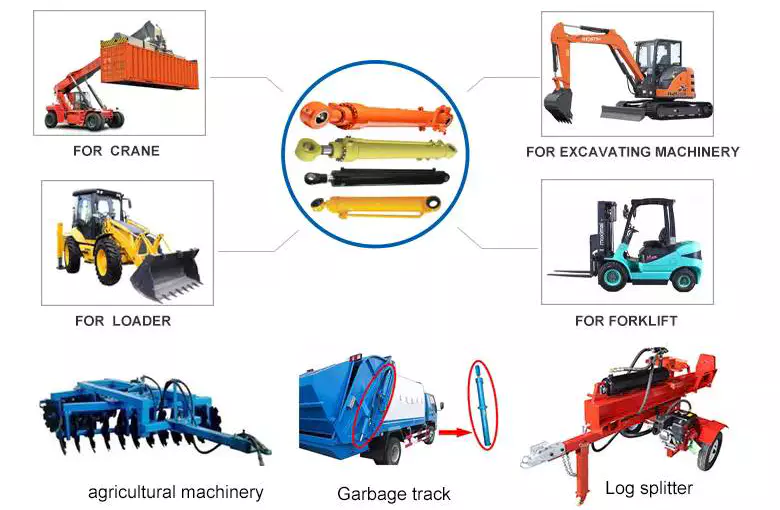
Can hydraulic cylinders be integrated with modern telematics and remote monitoring?
Yes, hydraulic cylinders can indeed be integrated with modern telematics and remote monitoring systems. The integration of hydraulic cylinders with telematics and remote monitoring technology offers numerous benefits, including enhanced operational efficiency, improved maintenance practices, and increased overall productivity. Here’s a detailed explanation of how hydraulic cylinders can be integrated with modern telematics and remote monitoring:
1. Sensor Integration:
– Hydraulic cylinders can be equipped with various sensors to gather real-time data about their performance and operating conditions. Sensors such as pressure transducers, temperature sensors, position sensors, and load sensors can be integrated directly into the cylinder or its associated components. These sensors provide valuable information about parameters such as pressure, temperature, position, and load, enabling remote monitoring and analysis of the cylinder’s behavior.
2. Data Transmission:
– The data collected from the sensors in hydraulic cylinders can be transmitted wirelessly or through wired connections to a central monitoring system. Wireless communication technologies such as Bluetooth, Wi-Fi, or cellular networks can be employed to transmit data in real-time. Alternatively, wired connections such as Ethernet or CAN bus can be utilized for data transmission. The choice of communication method depends on the specific requirements of the application and the available infrastructure.
3. Remote Monitoring Systems:
– Remote monitoring systems receive and process the data transmitted from hydraulic cylinders. These systems can be cloud-based or hosted on local servers, depending on the implementation. Remote monitoring systems collect and analyze the data to provide insights into the cylinder’s performance, health, and usage patterns. Operators and maintenance personnel can access the monitoring system through web-based interfaces or dedicated software applications to view real-time data, receive alerts, and generate reports.
4. Condition Monitoring and Predictive Maintenance:
– Integration with telematics and remote monitoring enables condition monitoring and predictive maintenance of hydraulic cylinders. By analyzing the collected data, patterns and trends can be identified, allowing for the detection of potential issues or anomalies before they escalate into major problems. Predictive maintenance algorithms can be applied to the data to generate maintenance schedules, recommend component replacements, and optimize maintenance activities. This proactive approach helps prevent unexpected downtime, reduces maintenance costs, and maximizes the lifespan of hydraulic cylinders.
5. Performance Optimization:
– The data collected from hydraulic cylinders can also be utilized to optimize their performance. By analyzing parameters such as pressure, temperature, and load, operators can identify opportunities for improving operational efficiency. Insights gained from the remote monitoring system can guide adjustments in system settings, load management, or operational practices to optimize the performance of hydraulic cylinders and the overall hydraulic system. This optimization can result in energy savings, improved productivity, and reduced wear and tear.
6. Integration with Equipment Management Systems:
– Telematics and remote monitoring systems can be integrated with broader equipment management systems. This integration allows hydraulic cylinder data to be correlated with data from other components or related machinery, providing a comprehensive view of the overall system’s performance. This holistic approach enables operators to identify potential interdependencies, optimize system-wide performance, and make informed decisions regarding maintenance, repairs, or upgrades.
7. Enhanced Safety and Fault Diagnosis:
– Telematics and remote monitoring can contribute to enhanced safety and fault diagnosis in hydraulic systems. Real-time data from hydraulic cylinders can be used to detect abnormal conditions, such as excessive pressure or temperature, which may indicate potential safety risks. Fault diagnosis algorithms can analyze the data to identify specific issues or malfunctions, enabling prompt intervention and reducing the risk of catastrophic failures or accidents.
In summary, hydraulic cylinders can be effectively integrated with modern telematics and remote monitoring systems. This integration enables the collection of real-time data, remote monitoring of performance, condition monitoring, predictive maintenance, performance optimization, integration with equipment management systems, and enhanced safety. By harnessing the power of telematics and remote monitoring, hydraulic cylinder users can achieve improved efficiency, reduced downtime, optimized maintenance practices, and enhanced overall productivity in various applications and industries.
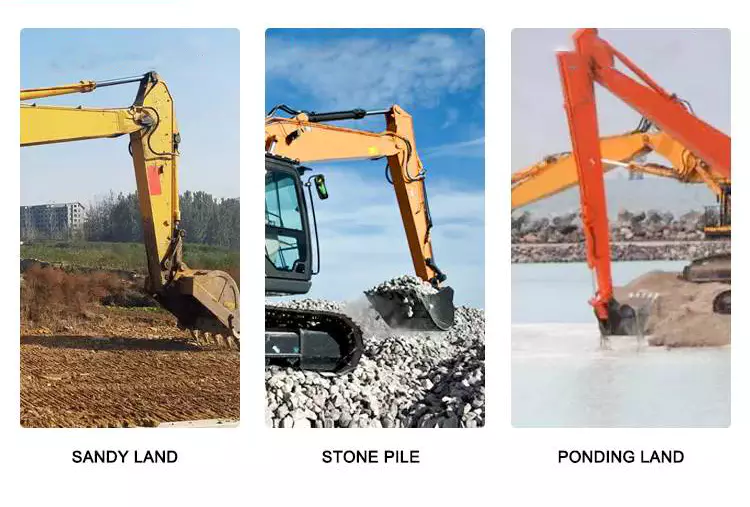
Contribution of Hydraulic Cylinders to the Precision of Robotic and Automation Systems
Hydraulic cylinders play a significant role in enhancing the precision of robotic and automation systems. These systems rely on precise and controlled movements to perform various tasks with accuracy and repeatability. Let’s explore how hydraulic cylinders contribute to the precision of robotic and automation systems:
- Precise Positioning: Hydraulic cylinders enable precise positioning of robotic arms or automation components. They provide accurate control over the linear motion required for tasks such as picking, placing, and assembly. By precisely controlling the extension and retraction of the hydraulic cylinder, the system can achieve the desired position with high accuracy, ensuring precise alignment and consistent results.
- Controlled Motion: Hydraulic cylinders offer controlled and smooth motion, which is crucial for precise operation in robotic and automation systems. The flow of hydraulic fluid can be precisely regulated to control the speed and acceleration of the cylinder’s movement. This precise control allows for gentle and controlled movements, minimizing vibrations, overshooting, or jerky motions that could affect the accuracy of the system.
- Force Control: Hydraulic cylinders provide force control capabilities that contribute to precision in robotic and automation systems. By adjusting the hydraulic pressure, the force exerted by the cylinder can be precisely controlled. This is particularly valuable in applications that require delicate force-sensitive tasks, such as gripping fragile objects or performing precise force feedback during assembly or testing processes.
- Load Handling: Hydraulic cylinders are capable of handling heavy loads, allowing robotic and automation systems to manipulate and transport objects with precision. The high force capabilities of hydraulic cylinders ensure secure and stable handling of loads, minimizing the risk of slippage or imprecise positioning. This is crucial in applications where precise control over heavy objects is required, such as material handling or industrial assembly processes.
- Durability and Reliability: Hydraulic cylinders are known for their durability and reliability in demanding industrial environments. The ability to withstand repeated use, high loads, and harsh conditions ensures consistent performance over time. This reliability contributes to the precision of robotic and automation systems, as any deviation or failure in the cylinder’s movement could lead to inaccuracies or disruptions in the system’s operation.
In summary, hydraulic cylinders make significant contributions to the precision of robotic and automation systems by enabling precise positioning, controlled motion, force control, load handling, and offering durability and reliability. These capabilities ensure accurate and repeatable movements, minimize errors, and enhance the overall precision of the system. By incorporating hydraulic cylinders into robotic and automation systems, manufacturers can achieve higher levels of precision, efficiency, and productivity in various industrial applications.
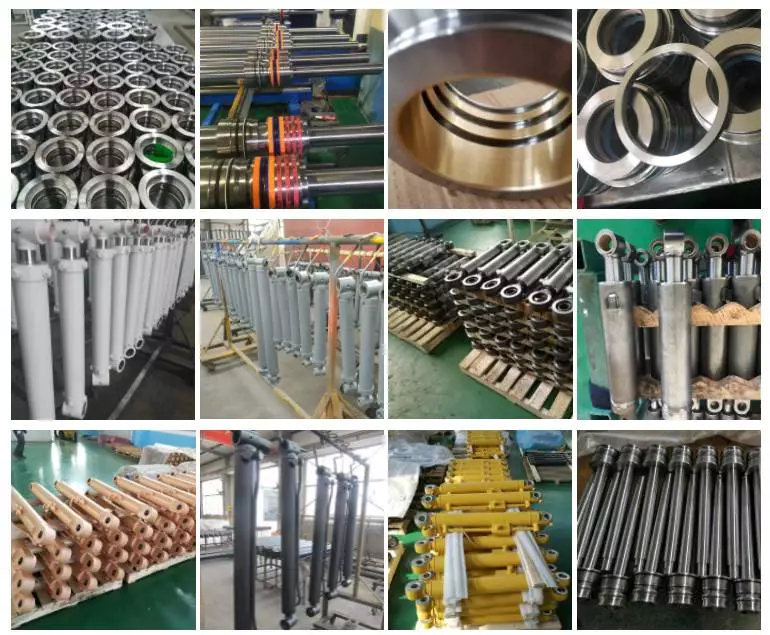
What are the common signs of wear or leakage that indicate hydraulic cylinder issues?
Hydraulic cylinders are critical components in hydraulic systems, and wear or leakage can lead to performance issues and potential system failures. It is important to be aware of the common signs that indicate hydraulic cylinder problems. Here’s a detailed explanation of the common signs of wear or leakage that indicate hydraulic cylinder issues:
1. Fluid Leakage:
– Fluid leakage is one of the most obvious signs of hydraulic cylinder problems. If you notice hydraulic fluid leaking from the cylinder, it indicates a seal failure or damage to the cylinder. Leaking fluid may be visible around the rod, piston, or cylinder body. It is important to address fluid leakage promptly as it can lead to a loss of system efficiency, contamination of the surrounding environment, and potential damage to other system components.
2. Reduced Performance:
– Wear or internal damage to the hydraulic cylinder can result in reduced performance. You may notice a decrease in the cylinder’s force output, slower operation, or difficulty in extending or retracting the cylinder. Reduced performance can be indicative of worn seals, damaged piston or rod, internal leakage, or contamination within the cylinder. Any noticeable decrease in the cylinder’s performance should be inspected and addressed to prevent further damage or system inefficiencies.
3. Abnormal Noise or Vibrations:
– Unusual noise or vibrations during the operation of a hydraulic cylinder can indicate internal wear or damage. Excessive noise, knocking sounds, or vibrations that are not typical for the system may suggest problems such as worn bearings, misalignment, or loose internal components. These signs should be investigated to identify the source of the issue and take appropriate corrective measures.
4. Excessive Heat:
– Overheating of the hydraulic cylinder is another sign of potential issues. If the cylinder feels excessively hot to the touch during normal operation, it may indicate problems such as internal leakage, fluid contamination, or inadequate lubrication. Excessive heat can lead to accelerated wear, reduced efficiency, and overall system malfunctions. Monitoring the temperature of the hydraulic cylinder is important to detect and address potential problems.
5. External Damage:
– Physical damage to the hydraulic cylinder, such as dents, scratches, or bent rods, can contribute to wear and leakage issues. External damage can compromise the integrity of the cylinder, leading to fluid leakage, misalignment, or inefficient operation. Regular inspection of the cylinder’s external condition is essential to identify any visible signs of damage and take appropriate actions.
6. Seal Failure:
– Hydraulic cylinder seals are critical components that prevent fluid leakage and maintain system integrity. Signs of seal failure include fluid leakage, reduced performance, and increased friction during cylinder operation. Damaged or worn seals should be replaced promptly to prevent further deterioration of the cylinder’s performance and potential damage to other system components.
7. Contamination:
– Contamination within the hydraulic cylinder can cause wear, damage to seals, and overall system inefficiencies. Signs of contamination include the presence of foreign particles, debris, or sludge in the hydraulic fluid or visible damage to seals and other internal components. Regular fluid analysis and maintenance practices should be implemented to prevent contamination and address any signs of contamination promptly.
8. Irregular Seal Wear:
– Hydraulic cylinder seals can wear over time due to friction, pressure, and operating conditions. Irregular seal wear patterns, such as uneven wear or excessive wear in specific areas, may indicate misalignment or improper installation. Monitoring the condition of the seals during regular maintenance can help identify potential issues and prevent premature seal failure.
It is important to address these common signs of wear or leakage promptly to prevent further damage, ensure the optimal performance of hydraulic cylinders, and maintain the overall efficiency and reliability of the hydraulic system. Regular inspection, maintenance, and timely repairs or replacements of damaged components are key to mitigating hydraulic cylinder issues and maximizing system longevity.

editor by CX 2023-11-21