
Product Description
DOT/CE/BV/ISO/SGS/TPED approval 2L/5L/7L/8L/10/14L/20L portable gas cylinders fill with oxygen gas, argon gas, co2 gas, helium gas, mixture gases ,etc.
| Type | (mm) Outside Diameter |
(L) Water Capacity |
(mm) () Height (Withoutvalve) |
(Kg) (,) Weight(Without valve,cap) |
(Mpa) Working Pressure |
(mm) Design Wall Thickness |
Material Grades |
| ISO102-1.8-150 | 102 | 1.8 | 325 | 3.5 | 150 | 3 | 37Mn |
| ISO102-3-150 | 3 | 498 | 5.2 | ||||
| ISO102-3.4-150 | 3.4 | 555 | 5.7 | ||||
| ISO102-4.4-150 | 4.4 | 700 | 7.2 | ||||
| ISO108-1.4-150 | 108 | 1.4 | 240 | 2.9 | 150 | 3.2 | 37Mn |
| ISO108-1.8-150 | 1.8 | 285 | 3.3 | ||||
| ISO108-2-150 | 2 | 310 | 3.6 | ||||
| ISO108-3-150 | 3 | 437 | 4.9 | ||||
| ISO108-3.6-150 | 3.6 | 515 | 5.7 | ||||
| ISO108-4-150 | 4 | 565 | 6.2 | ||||
| ISO108-5-150 | 5 | 692 | 7.5 | ||||
| ISO140-3.4-150 | 140 | 3.4 | 321 | 5.8 | 150 | 4.1 | 37Mn |
| ISO140-4-150 | 4 | 365 | 6.4 | ||||
| ISO140-5-150 | 5 | 440 | 7.6 | ||||
| ISO140-6-150 | 6 | 515 | 8.8 | ||||
| ISO140-6.3-150 | 6.3 | 545 | 9.2 | ||||
| ISO140-6.7-150 | 6.7 | 567 | 9.5 | ||||
| ISO140-7-150 | 7 | 595 | 9.9 | ||||
| ISO140-7.5-150 | 7.5 | 632 | 10.5 | ||||
| ISO140-8-150 | 8 | 665 | 11 | ||||
| ISO140-9-150 | 9 | 745 | 12.2 | ||||
| ISO140-10-150 | 10 | 830 | 13.5 | ||||
| ISO140-11-150 | 11 | 885 | 14.3 | ||||
| ISO140-13.4-150 | 13.4 | 1070 | 17.1 | ||||
| ISO140-14-150 | 14 | 1115 | 17.7 | ||||
| ISO159-7-150 | 159 | 7 | 495 | 9.8 | 150 | 4.7 | 37Mn |
| ISO159-8-150 | 8 | 554 | 10.8 | ||||
| ISO159-9-150 | 9 | 610 | 11.7 | ||||
| ISO159-10-150 | 10 | 665 | 12.7 | ||||
| ISO159-11-150 | 11 | 722 | 13.7 | ||||
| ISO159-12-150 | 12 | 790 | 14.8 | ||||
| ISO159-12.5-150 | 12.5 | 802 | 15 | ||||
| ISO159-13-150 | 13 | 833 | 15.6 | ||||
| ISO159-13.4-150 | 13.4 | 855 | 16 | ||||
| ISO159-13.7-150 | 13.7 | 878 | 16.3 | ||||
| ISO159-14-150 | 14 | 890 | 16.5 | ||||
| ISO159-15-150 | 15 | 945 | 17.5 | ||||
| ISO159-16-150 | 16 | 1000 | 18.4 | ||||
| ISO180-8-150 | 180 | 8 | 480 | 13.8 | 150 | 5.3 | 37Mn |
| ISO180-10-150 | 10 | 570 | 16.1 | ||||
| ISO180-12-150 | 12 | 660 | 18.3 | ||||
| ISO180-15-150 | 15 | 790 | 21.6 | ||||
| ISO180-20-150 | 20 | 1015 | 27.2 | ||||
| ISO180-21-150 | 21 | 1061 | 28.3 | ||||
| ISO180-21.6-150 | 21.6 | 1087 | 29 | ||||
| ISO180-22.3-150 | 22.3 | 1100 | 29.4 | ||||
| ISO219-20-150 | 219 | 20 | 705 | 27.8 | 150 | 6.1 | 37Mn |
| ISO219-25-150 | 25 | 855 | 32.8 | ||||
| ISO219-27-150 | 27 | 915 | 34.8 | ||||
| ISO219-36-150 | 36 | 1185 | 43.9 | ||||
| ISO219-38-150 | 38 | 1245 | 45.9 | ||||
| ISO219-40-150 | 40 | 1305 | 47.8 | ||||
| ISO219-45-150 | 45 | 1455 | 52.9 | ||||
| ISO219-46.7-150 | 46.7 | 1505 | 54.6 | ||||
| ISO219-50-150 | 50 | 1605 | 57.9 |
| RECORD OF HYDROSTATIC TESTS ON CYLINDERS Time≥ 60S | ||||||||
| S.N | Serial No. | The weight without valve&cap(kg) | Volumetric Capacity(L) | Total expansion(ml) | Permanent expansion(ml) | Percent of Permanent to totalexpanison(%) | Test Pressure 250Bar | Lot and Batch No. |
| 1 | 20T164001 | 18 | 14.2 | 74.1 | 0.9 | 1.2 | 25 | T09 |
| 2 | 20T164002 | 17.8 | 14.3 | 69.0 | 1 | 1.4 | 25 | T09 |
| 3 | 20T164003 | 17.9 | 14.2 | 74.1 | 1 | 1.4 | 25 | T09 |
| 4 | 20T164004 | 17.7 | 14.3 | 70.9 | 0.9 | 1.3 | 25 | T09 |
| 5 | 20T164005 | 18.2 | 14.3 | 69.0 | 0.9 | 1.3 | 25 | T09 |
| 6 | 20T164006 | 17.6 | 14.2 | 70.1 | 0.9 | 1.3 | 25 | T09 |
| 7 | 20T164007 | 18.3 | 14.2 | 71.1 | 1 | 1.4 | 25 | T09 |
| 8 | 20T164008 | 18.2 | 14.3 | 72.9 | 0.8 | 1.1 | 25 | T09 |
| 9 | 20T164009 | 17.5 | 14.3 | 69.0 | 0.9 | 1.3 | 25 | T09 |
| 10 | 20T164571 | 17.8 | 14.2 | 73.1 | 0.9 | 1.2 | 25 | T09 |
| 11 | 20T164011 | 18 | 14 | 71.4 | 1 | 1.4 | 25 | T09 |
| 12 | 20T164012 | 17.8 | 14.2 | 74.1 | 0.7 | 0.9 | 25 | T09 |
| 13 | 20T164013 | 18.6 | 14.2 | 71.1 | 1 | 1.4 | 25 | T09 |
| 14 | 20T164014 | 17.6 | 14.3 | 70.0 | 1 | 1.4 | 25 | T09 |
| 15 | 20T164015 | 17.9 | 14.1 | 72.2 | 0.8 | 1.1 | 25 | T09 |
| 16 | 20T164016 | 17.9 | 14.3 | 68.0 | 1 | 1.5 | 25 | T09 |
| 17 | 20T164017 | 18.1 | 14.2 | 74.1 | 0.8 | 1.1 | 25 | T09 |
| 18 | 20T164018 | 17.7 | 14.3 | 69.0 | 0.7 | 1.0 | 25 | T09 |
| 19 | 20T164019 | 17.7 | 14.3 | 70.0 | 0.7 | 1.0 | 25 | T09 |
| 20 | 20T164571 | 17.8 | 14.2 | 69.1 | 0.8 | 1.2 | 25 | T09 |
| 21 | 20T164571 | 17.7 | 14.3 | 72.9 | 0.7 | 1.0 | 25 | T09 |
| 22 | 20T164571 | 17.9 | 14.2 | 71.1 | 0.8 | 1.1 | 25 | T09 |
| 23 | 20T164571 | 18 | 14.2 | 69.1 | 0.7 | 1.0 | 25 | T09 |
| 24 | 20T164571 | 17.7 | 14.3 | 72.9 | 0.7 | 1.0 | 25 | T09 |
| 25 | 20T164571 | 17.8 | 14.3 | 71.9 | 1.2 | 1.7 | 25 | T09 |
| 26 | 20T164026 | 17.9 | 14.1 | 70.2 | 1 | 1.4 | 25 | T09 |
| 27 | 20T164571 | 17.8 | 14.2 | 73.1 | 0.7 | 1.0 | 25 | T09 |
| 28 | 20T164571 | 17.8 | 14.3 | 70.0 | 0.8 | 1.1 | 25 | T09 |
| 29 | 20T164571 | 17.8 | 14.2 | 71.1 | 1.2 | 1.7 | 25 | T09 |
| 30 | 20T164030 | 17.8 | 14.2 | 68.1 | 0.9 | 1.3 | 25 | T09 |
| 31 | 20T164031 | 17.7 | 14.3 | 72.9 | 0.9 | 1.2 | 25 | T09 |
| 32 | 20T164032 | 17.6 | 14.2 | 70.1 | 1 | 1.4 | 25 | T09 |
| 33 | 20T164033 | 17.8 | 14.2 | 74.1 | 1 | 1.4 | 25 | T09 |
| 34 | 20T164034 | 18 | 14 | 74.4 | 0.9 | 1.2 | 25 | T09 |
| 35 | 20T164035 | 17.8 | 14.2 | 70.1 | 0.9 | 1.3 | 25 | T09 |
| 36 | 20T164036 | 17.9 | 14.1 | 71.2 | 0.9 | 1.3 | 25 | T09 |
| 37 | 20T164037 | 17.9 | 14.3 | 70.0 | 1 | 1.4 | 25 | T09 |
| 38 | 20T164038 | 17.8 | 14.2 | 74.1 | 0.8 | 1.1 | 25 | T09 |
| 39 | 20T164039 | 17.9 | 14.1 | 71.2 | 0.9 | 1.3 | 25 | T09 |
| 40 | 20T164040 | 17.7 | 14.3 | 71.9 | 0.9 | 1.3 | 25 | T09 |
| 41 | 20T164041 | 17.8 | 14.2 | 69.1 | 1 | 1.4 | 25 | T09 |
| 42 | 20T164042 | 18 | 14.2 | 74.1 | 0.7 | 0.9 | 25 | T09 |
| 43 | 20T164043 | 18.4 | 14.2 | 71.1 | 1 | 1.4 | 25 | T09 |
| 44 | 20T164044 | 17.6 | 14.4 | 68.8 | 1 | 1.5 | 25 | T09 |
| 45 | 20T164045 | 17.8 | 14.2 | 71.1 | 0.8 | 1.1 | 25 | T09 |
| 46 | 20T164046 | 17.9 | 14.1 | 70.2 | 1 | 1.4 | 25 | T09 |
| 47 | 20T164047 | 17.8 | 14.2 | 74.1 | 0.8 | 1.1 | 25 | T09 |
| 48 | 20T164048 | 18 | 14.2 | 70.1 | 0.7 | 1.0 | 25 | T09 |
| 49 | 20T164049 | 17.9 | 14.1 | 72.2 | 0.7 | 1.0 | 25 | T09 |
| 50 | 20T164050 | 17.8 | 14.2 | 69.1 | 0.8 | 1.2 | 25 | T09 |
Established in 1998. Our company possesses 3 production lines for production of various seamless gas cylinders. The annual production and sale for gas cylinders of below 20L for 600 thousand pieces, accounting for 90% domestic share in small size gas cylinder market. The recently set up new production line for 0.4L-80L emergency respirator, colliery escape capsule and refuge chamber has the annual production of 700 thousand pieces of cylinders. By the year 2013, the total specifications we do ascent to 109 types to meet different customers’ requirement.
Our major products are oxygen cylinder, nitrogen cylinder, carbon dioxide cylinder, argon cylinder, other industrial cylinder, medical oxygen supply unit, etc., with wide application for fields of medical apparatus and instruments, engineering machinery, colliery rescue, gas industry, welding-cutting machinery, and chemical industry. Our cryogenic vessels production line mainly produce cryogenic liquid storage tanks, welding insulation cylinders, cryogenic reaction device, cryogenic tanks, cryogenic ISO tank container and air temperature vaporizer.
So far our products are enjoying good markets at home and exporting to European and American countries, the Middle East countries, West Asia, as well as South and East Asia countries.
| Material: | Steel |
|---|---|
| Usage: | |
| Structure: | Piston Cylinder |
| Power: | Hydraulic |
| Standard: | Standard |
| Pressure Direction: | Double-acting Cylinder |
| Customization: |
Available
|
|
|---|
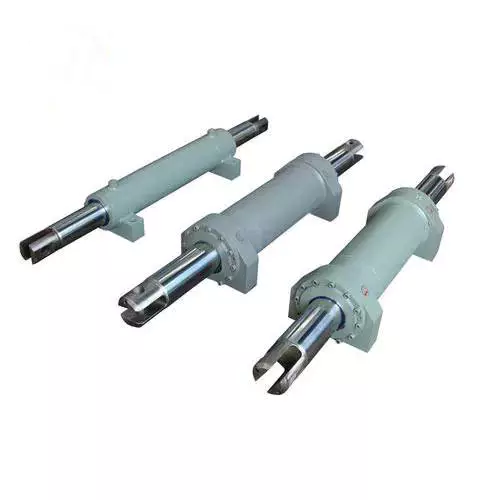
How do manufacturers ensure the durability and reliability of hydraulic cylinders?
Manufacturers employ various strategies and techniques to ensure the durability and reliability of hydraulic cylinders. These measures are crucial as hydraulic cylinders are often subjected to demanding operating conditions and heavy loads. To ensure their longevity and dependable performance, manufacturers focus on the following aspects:
1. High-Quality Materials:
– Manufacturers use high-quality materials in the construction of hydraulic cylinders. Components such as cylinder barrels, piston rods, seals, and bearings are made from materials that possess excellent strength, corrosion resistance, and wear resistance properties. Common materials used include high-grade steel alloys, chrome-plated rods, and specialized coatings. The selection of appropriate materials ensures that hydraulic cylinders can withstand the stresses, pressures, and environmental conditions they encounter during operation.
2. Robust Design:
– Hydraulic cylinders are designed to withstand high loads and harsh operating conditions. Manufacturers use computer-aided design (CAD) software and finite element analysis (FEA) techniques to optimize the cylinder’s structural integrity and performance. The design includes factors such as proper wall thickness, reinforcement in critical areas, and appropriate sizing of components. Robust design practices ensure that hydraulic cylinders can withstand the forces and stresses they encounter, preventing premature failure and ensuring durability.
3. Quality Manufacturing Processes:
– Manufacturers follow stringent quality control measures during the manufacturing processes of hydraulic cylinders. These processes include precision machining, welding, heat treatment, and surface finishing. Skilled technicians and advanced machinery are employed to ensure dimensional accuracy, proper fitment of components, and overall quality. By adhering to strict manufacturing processes and quality standards, manufacturers can produce hydraulic cylinders with consistent performance and reliability.
4. Sealing Technology:
– The sealing system of hydraulic cylinders is critical for their durability and reliability. Manufacturers utilize advanced sealing technologies such as lip seals, O-rings, and composite seals to prevent fluid leakage and ingress of contaminants. Properly designed and high-quality seals ensure that hydraulic cylinders can maintain their performance over extended periods. Seals are tested for their compatibility with the hydraulic fluid, pressure resistance, and resilience to environmental factors such as temperature and humidity.
5. Performance Testing:
– Manufacturers subject hydraulic cylinders to rigorous performance testing to validate their durability and reliability. These tests simulate real-world operating conditions and evaluate factors such as load capacity, pressure resistance, fatigue life, and leakage. Performance testing helps identify any design flaws or weaknesses in the hydraulic cylinder and allows manufacturers to make necessary improvements. By conducting thorough performance testing, manufacturers can ensure that hydraulic cylinders meet or exceed the required performance standards.
6. Compliance with Industry Standards:
– Manufacturers adhere to industry standards and regulations to ensure the durability and reliability of hydraulic cylinders. These standards, such as ISO 6020/6022 and NFPA T3.6.7, provide guidelines for design, manufacturing, and performance requirements. By following these standards, manufacturers ensure that hydraulic cylinders are designed and built to meet specific quality and safety criteria. Compliance with industry standards helps establish a baseline for durability and reliability and instills confidence in the performance of hydraulic cylinders.
7. Regular Maintenance and Service:
– Manufacturers provide recommendations for regular maintenance and service of hydraulic cylinders. This includes guidelines for lubrication, inspection of components, and replacement of wear parts such as seals and bearings. Following the manufacturer’s maintenance guidelines helps ensure the long-term durability and reliability of hydraulic cylinders. Regular maintenance also allows for the early detection of potential issues, preventing major failures and extending the service life of the hydraulic cylinders.
8. Customer Support and Warranty:
– Manufacturers provide customer support and warranty services to address any issues that arise with hydraulic cylinders. They offer technical assistance, troubleshooting guidance, and replacement of defective components. The warranty ensures that customers receive reliable and durable hydraulic cylinders and provides recourse in case of any manufacturing defects or premature failures. Strong customer support and warranty policies reflect the manufacturer’s commitment to the durability and reliability of their products.
In summary, manufacturers ensure the durability and reliability of hydraulic cylinders through the use of high-quality materials, robust design practices, stringent manufacturing processes, advanced sealing technology, thorough performance testing, compliance with industry standards, regular maintenance guidelines, and customer support with warranty services. By focusing on these aspects, manufacturers can produce hydraulic cylinders that can withstand demanding conditions, provide long service life, and deliver reliable performance in various applications.
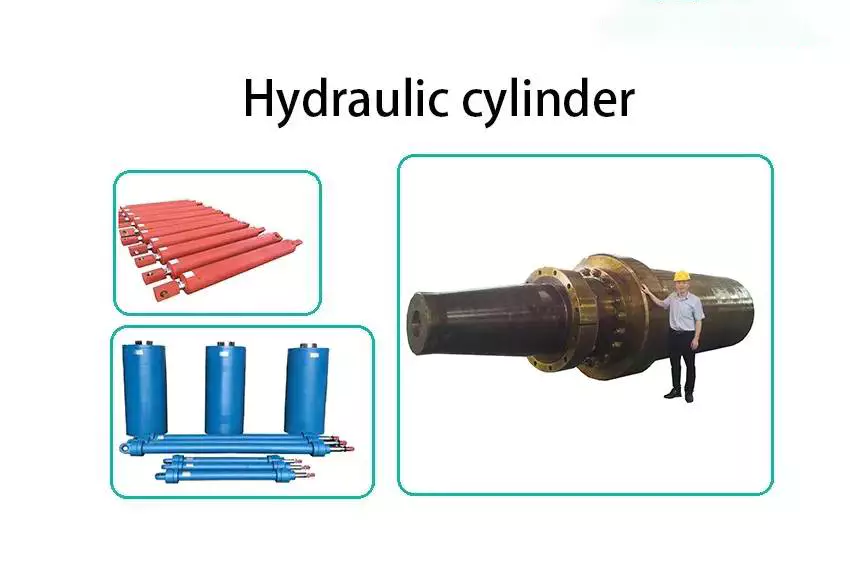
Adaptation of Hydraulic Cylinders for Medical Equipment and Aerospace Applications
Hydraulic cylinders have the potential to be adapted for use in medical equipment and aerospace applications, offering unique advantages in these industries. Let’s explore how hydraulic cylinders can be adapted for these specialized fields:
- Medical Equipment: Hydraulic cylinders can be adapted for various medical equipment applications, including hospital beds, patient lifts, surgical tables, and rehabilitation devices. Here’s how hydraulic cylinders are beneficial in medical equipment:
- Positioning and Adjustability: Hydraulic cylinders provide precise and smooth movement, allowing for accurate positioning and adjustments of medical equipment. This is crucial for ensuring patient comfort, proper alignment, and ease of use.
- Load Handling: Hydraulic cylinders offer high force capabilities, enabling the safe handling of heavy loads in medical equipment. They can support the weight of patients, facilitate smooth transitions, and provide stability during procedures.
- Controlled Motion: Hydraulic cylinders provide controlled and stable motion, which is essential for delicate medical procedures. The ability to adjust speed, position, and force allows for precise and controlled movements, minimizing patient discomfort and ensuring accurate treatment.
- Durability and Reliability: Hydraulic cylinders are designed to withstand rigorous use and demanding environments, making them suitable for medical equipment applications. Their durability and reliability contribute to the long-term performance and safety of medical devices.
- Aerospace Applications: Hydraulic cylinders can also be adapted for aerospace applications, where lightweight yet robust systems are essential. Here’s how hydraulic cylinders are advantageous in aerospace:
- Flight Control Systems: Hydraulic cylinders play a critical role in aircraft flight control systems, including ailerons, elevators, rudders, and landing gear. They provide precise and reliable actuation, allowing pilots to control the aircraft’s movements with accuracy and responsiveness.
- Weight Optimization: Hydraulic cylinders can be designed using lightweight materials, such as aluminum alloys or composite materials, to reduce overall weight. This weight optimization is crucial in aerospace applications to enhance fuel efficiency, payload capacity, and aircraft performance.
- Shock and Vibration Resistance: Aerospace environments involve significant shock and vibration forces. Hydraulic cylinders can be engineered to withstand these dynamic loads while maintaining performance and reliability, ensuring consistent operation even under extreme conditions.
- Space Constraints: Hydraulic cylinders can be designed to fit within the space constraints of aircraft or spacecraft. Their compact size and flexible mounting options allow for efficient integration into the limited available space.
In summary, hydraulic cylinders can be adapted for use in medical equipment and aerospace applications, leveraging their precise positioning, load handling capabilities, controlled motion, durability, and reliability. In medical equipment, hydraulic cylinders enable comfortable patient positioning, smooth transitions, and controlled movements during procedures. In aerospace, hydraulic cylinders provide precise actuation, weight optimization, shock and vibration resistance, and space-efficient solutions. By adapting hydraulic cylinders to these specialized fields, manufacturers can meet the unique requirements and enhance the performance of medical equipment and aerospace systems.
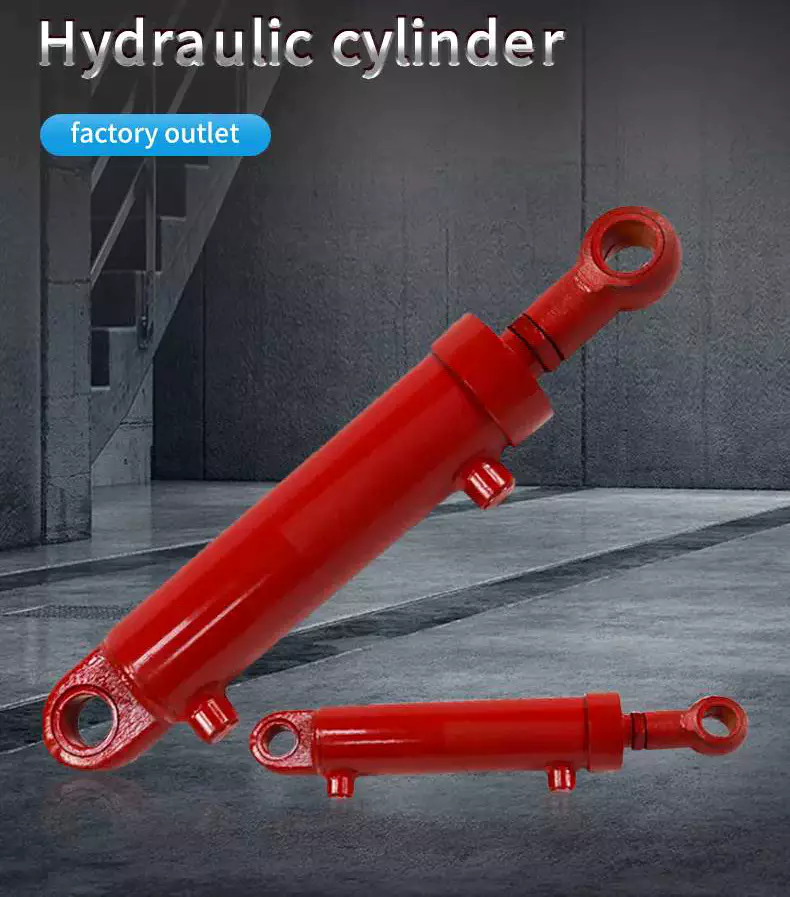
What is a hydraulic cylinder and how does it function in various applications?
A hydraulic cylinder is a mechanical actuator that converts hydraulic energy into linear force and motion. It plays a critical role in various applications where controlled and powerful linear motion is required. Hydraulic cylinders are commonly used in industries such as construction, manufacturing, agriculture, and transportation. Here’s a detailed explanation of what a hydraulic cylinder is and how it functions:
Definition and Components:
– A hydraulic cylinder consists of a cylindrical barrel, a piston, a piston rod, and various seals. The barrel is a hollow tube that houses the piston and allows for fluid flow. The piston divides the cylinder into two chambers: the rod side and the cap side. The piston rod extends from the piston and provides a connection point for external loads. Seals are used to prevent fluid leakage and maintain hydraulic pressure within the cylinder.
Function:
– The function of a hydraulic cylinder is to convert the pressure and flow of hydraulic fluid into linear force and motion. The hydraulic fluid, typically oil, is pressurized and directed into one of the chambers of the cylinder. As the fluid enters the chamber, it applies pressure on the piston, causing it to move in a linear direction. This linear motion of the piston is transferred to the piston rod, creating a pushing or pulling force.
Working Principle:
– The working principle of a hydraulic cylinder is based on Pascal’s law, which states that pressure exerted on a fluid in a confined space is transmitted equally in all directions. In a hydraulic cylinder, when hydraulic fluid is pumped into one side of the cylinder, it creates pressure on the piston. The pressure is transmitted through the fluid to the other side of the piston, resulting in a balanced force across the piston and piston rod. This force generates linear motion in the direction determined by the fluid input.
Applications:
– Hydraulic cylinders find extensive use in a wide range of applications due to their ability to generate high forces and precise control of linear motion. Some common applications include:
1. Construction Equipment: Hydraulic cylinders are used in excavators, loaders, bulldozers, and cranes for lifting, pushing, and digging tasks.
2. Manufacturing Machinery: Hydraulic cylinders are employed in presses, machine tools, and material handling equipment for pressing, clamping, and lifting operations.
3. Agricultural Machinery: Hydraulic cylinders are used in tractors, harvesters, and irrigation systems for tasks like steering, lifting, and controlling attachments.
4. Transportation: Hydraulic cylinders are utilized in vehicles such as dump trucks, garbage trucks, and forklifts for tilting, lifting, and tipping operations.
5. Aerospace and Defense: Hydraulic cylinders are employed in aircraft landing gear, missile systems, and hydraulic actuators for control surfaces.
6. Marine and Offshore: Hydraulic cylinders are used in ship steering systems, cranes, and offshore drilling equipment for various lifting and positioning tasks.
In these applications, hydraulic cylinders offer advantages such as high force capability, precise control, compact size, and durability. They provide efficient and reliable linear motion, contributing to enhanced productivity and functionality in a wide range of industries.
Overall, hydraulic cylinders are integral components in various applications where controlled and powerful linear motion is required. Their ability to convert hydraulic energy into mechanical force makes them invaluable in numerous industries, enabling the operation of heavy machinery, precise positioning, and efficient load handling.


editor by CX 2023-12-08